
Trump Orders Navy to Look at Foreign Shipbuilding Options
In a memo released Thursday, U.S. President Donald Trump confirmed a foreign-shipbuilding plan that his Office of Management and Budget shared with the press in late May.
Effective Thursday, Trump has ordered the Navy to contemplate a "Finnish model" of ship procurement: the concept would award orders for the first few hulls in a series to a foreign yard, on the condition that production of follow-on ships happens in the United States.
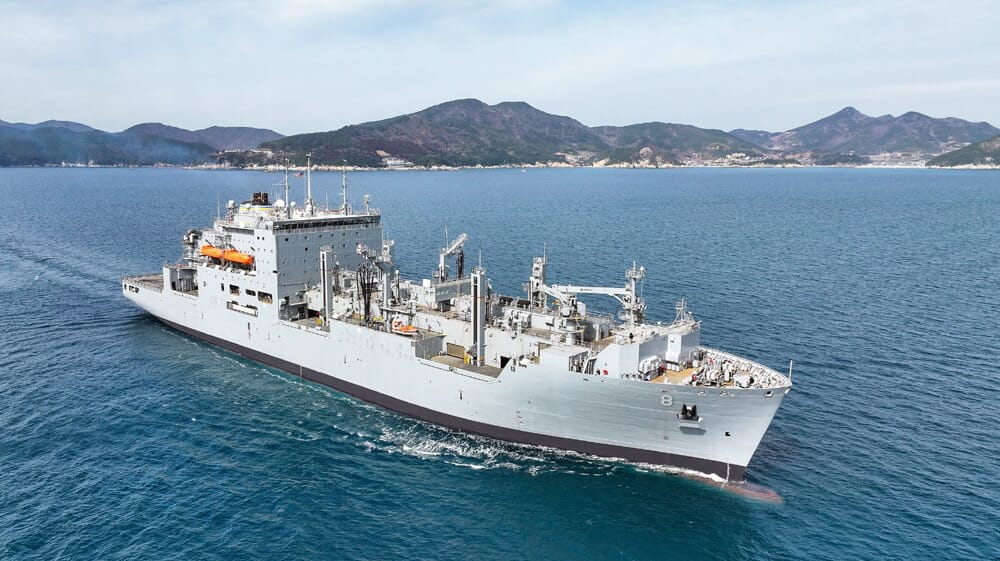
The order calls on the Pentagon to use foreign shipyards for three specific vessel classes. The first would be for surface combatants for "anti-submarine warfare, surface warfare and convoy escort duties" (frigates). It would also favor foreign construction of two classes of auxiliary ships that are normally civilian-crewed: ro/ro cargo vessels (a Military Sealift Command capability) and CONSOL-ready tankers (historically a chartered-in capability).
To qualify, a foreign shipbuilder would have to participate in building up American industrial base by buying or opening a yard in the United States. The first two hulls in a series would go to the foreign builder, meaning that design, engineering and procurement would happen overseas from the outset, along with the most expensive part of a long project: the first-in-class hull.
The memo cites the limitations of the U.S. defense shipbuilding industrial base, along with the production delays that currently affect all Navy shipbuilding programs.
"It will use proven, reliable, and affordable technologies and ship designs, as well as award contracts that enable purchases from foreign suppliers in the near term while simultaneously incentivizing investment in America’s shipbuilding industrial base, consistent with other major equipment purchases such as icebreakers," Trump wrote.
The Shipbuilders Council of America has objected to the order. "Directing the DoW to build overseas only undercuts the federal Maritime Action Plan and generational investment into commercial and government shipbuilding. Every hull built abroad is demand, jobs, and industrial capability diverted from American shipyards this administration pledged to rebuild," SCA said in a statement to USNI.
The overseas defense order adds to existing concerns on the commercial side of the industry. American shipbuilding interests have already warned about the effects of the Trump administration's historically-long Jones Act waiver, which allows foreign-built, foreign-crewed ships to operate between U.S. seaports. Without the Jones Act, American shipowners face uncertainty about the competitiveness and value of their vessel assets, and the SCA reports that infrastructure investment and ordering interest have dropped as a result.

that matters most
Get the latest maritime news delivered to your inbox daily.
The memo also directs a study of options for starting up a fifth Navy-owned public shipyard for submarine maintenance, helping address the backlog of sub repairs and increasing readiness of the fleet. In unsparing language, it also orders a deep review of the Navy's procurement establishment, Naval Sea Systems Command, with an eye to streamlining its bureaucracy and introducing more accountability.
Separately, the wide-ranging memo calls for a major redesign for future Ford-class carriers, including the removal and replacement of the class' signature electromagnetic aircraft catapults and weapons elevators.
