
Transnet Blacklists Corrupt Suppliers as Port Reforms Move Forward
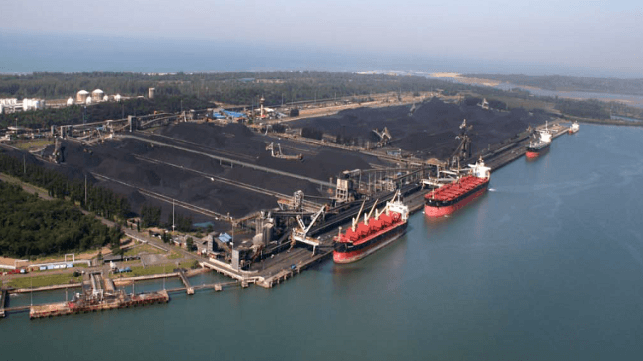
As part of its ongoing reform campaign, South Africa's state-owned Transnet Port Terminals (TPT) has blacklisted seven companies it accuses of corruption and other serious unethical conduct. The move comes after a forensic investigation uncovered a range of allegedly unlawful conduct involving some of TPT's suppliers. The companies were not named.
TPT says that its investigation uncovered unethical practices, including financial misconduct, kickback schemes, bribery, theft of company assets, collusion and submission of false information. Following the blacklisting, TPT has asked the National Treasury to include the affected companies on its list of restricted suppliers.
TPT has also initiated disciplinary action against employees who colluded with the seven blacklisted companies. With TPT operations spread across major South African ports, shippers have been complaining of persistent inefficiencies that render the terminals uncompetitive.
"To reinvent itself for growth and make South Africa globally competitive, it is important for TPT to take action against employees, suppliers and all stakeholders who compromised the integrity of the business," said TPT Chief Executive Jabu Mdaki.
A similar purge is also underway across other Transnet operating divisions. Last week, Transnet Rail Infrastructure Manager (TRIM) suspended four employees on charges of unethical conduct. Restrictions on implicated suppliers are ongoing as well.
Speaking at a transport conference last week, South Africa's Minister of Transport, Barbara Creecy, lamented that the country's logistics breakdown has moved beyond an operational inconvenience and is now an economic threat affecting trade and national competitiveness. Creecy was concerned that regional competitors are already capitalizing on South Africa's logistics underperformance. She called for an end to the business-as-usual approach to the challenges the transport sector faces.
At the heart of the port reforms, Creecy noted the ongoing shift in rail operations as the backbone of freight logistics. The most significant change is that 11 private Train Operating Companies (TOCs) have been approved to access the national rail network as of March this year. Operations are set to begin in April 2027.

that matters most
Get the latest maritime news delivered to your inbox daily.
The TOCs are expected to bring private capital and expertise needed to modernize rail operations, and will support the government's goal of moving 250 million tons of cargo via the Transnet rail network by 2030.
For years, South Africa's rail infrastructure has faced rampant theft and vandalism, crippling operations. This led the government to institute an emergency recovery plan, starting with a change in Transnet rail management back in 2023. The recovery plan also moved to create better cooperation with major exporters. The shift to private TOCs signals a long-term approach to stabilizing operations.
