
RMT Union Members Conduct New Strikes at Royal Fleet Auxiliary Over Pay
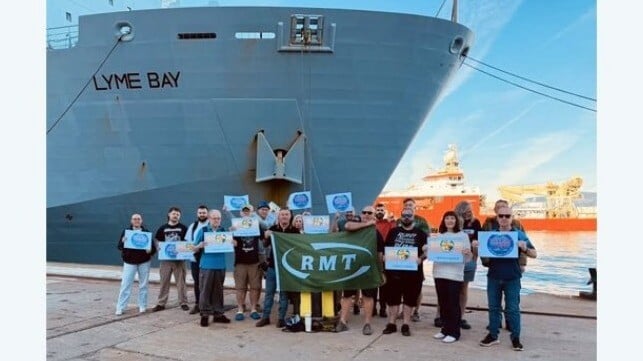
For the second time in two years, crews from the UK’s Royal Fleet Auxiliary are staging 24-hour strikes over pay. The National Union of Rail, Maritime and Transport Workers (RMT) says it has warned that years of below-average pay settlements, combined with poor transparency and growing dissatisfaction over conditions, are contributing to retention problems across the service.
Coordinated with efforts by the other powerful UK union, Nautilus, the RMT staged a series of strikes and work actions in late 2024, the first in the history of the service. Those strikes dragged on until they finally reached a wage agreement in early 2025.
Now, RMT reports talks are underway, and there has been some progress, but once again, it says no acceptable proposal has been offered to address concerns over wages as well as transparency of how wages are calculated. The union is also raising questions about whether the RFA is in compliance with the UK’s National Minimum Wage legislation.
RFA members are civilian employees who operate the supply and logistics ships for the Royal Navy. Formed in 1905, the fleet has been shrinking and is down to nine active vessels, including tankers and supply ships. There are approximately 1,750 individuals classed as civil servants in the RFA, according to the RMT.
“Our members in the Royal Fleet Auxiliary do not take strike action lightly, and this decision has only been reached after years of frustration over pay, conditions, and a lack of transparency around wages,” said General Secretary of the RMT Eddie Dempsey. “There remains no clear formula setting out how pay is calculated against the hours actually worked, and there are serious concerns that some members’ pay could effectively fall below the legal minimum once those hours are properly accounted for.”
Members staged the first 24-hour action on May 8 and a second one today, May 13. According to the posting by RMT, the actions spanned from the RFA Lyme Bay docked in Gibraltar to seafarers in Falmouth and Birkenhead. During the 24-hour strike action, the RMT said members would continue to ensure the safety of vessels is maintained at all times, including the management of moorings and gangways.

that matters most
Get the latest maritime news delivered to your inbox daily.
The union argues that RFA seafarers can routinely work up to 12 hours a day and more when operational duties demand, often spending months at sea, while there remains no clear or transparent formula explaining how pay is calculated against hours worked. As in 2024, it is calling for increases that address shortfalls in the past and the increased cost of living for members.
The union said without serious proposals from the Royal Fleet, its members would continue their industrial actions.