
On World Maritime Day, IMO Highlights Need to Put Rules Into Practice
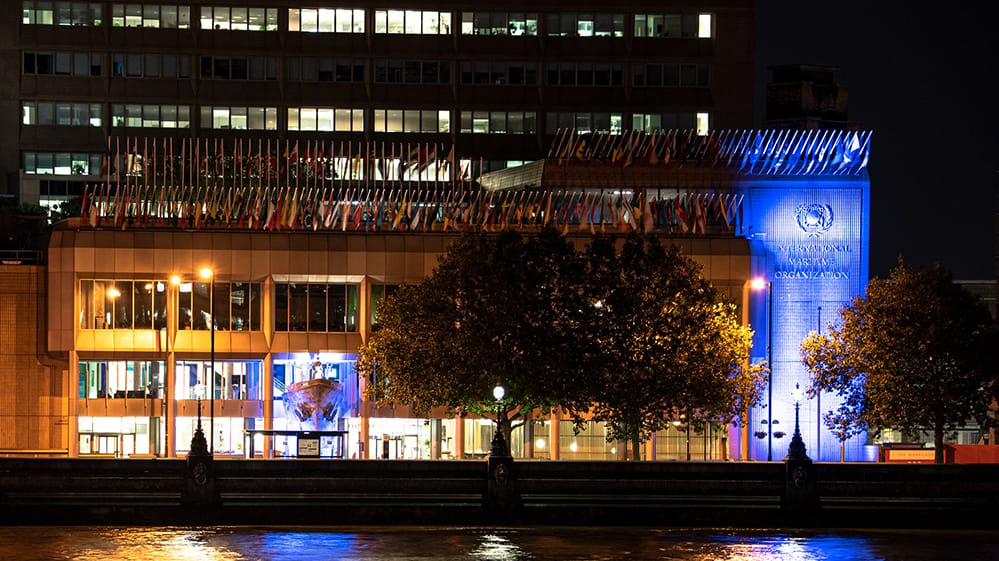
Both this year and next, the International Maritime Organization is focusing its World Maritime Day message on an issue of growing concern: getting its hard-won regulations into use on the waterfront, everywhere that ships go. It's not enough to pass a convention, even one as useful as SOLAS - each IMO rule also has to be implemented in each member state. That means translating the convention into national law, then training up officials to put it into practice, then using it for enforcement. The degree of compliance varies, and while IMO can't police its member states, it can help them to get better.
Since 2016, IMO has implemented a mandatory audit scheme (IMSAS) to check up on how well its members are complying with IMO instruments. So far, 168 member states - all but a handful - have been audited. The results, according to IMO, are revealing.
IMO's advisory teams have found that "many countries still struggle to translate IMO rules into national law, with shortage of technical expertise and infrastructure, and weak oversight of ships." In response, the IMO allocates its technical assistance resources to places that need the most help, places that include least developed countries and small island developing states. As some of these member states operate well-known open flag registries, a local-level improvement in compliance could translate into global improvement in shipping safety.

that matters most
Get the latest maritime news delivered to your inbox daily.
"[The theme] speaks to the vital importance of adhering to international law and ensuring it is fully implemented. Seafarers, port workers, ship operators and inspectors all have a role to play in turning global maritime commitments into reality. . . . Together, let us ensure maritime excellence – and safer, more resilient seas for all," said IMO Secretary General Arsenio Dominguez.
