
Omani Oil Exports Back to Normal After Drone Attack
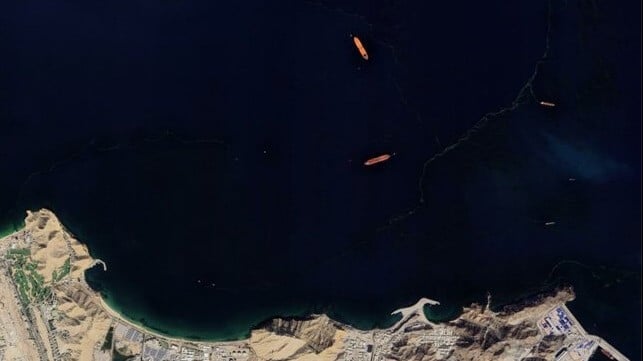
Oman’s oil export terminal at Mina Al Fahal is loading as normal on June 5, after Reuters was told by three separate sources that the terminal had been subject to a drone attack. Petroleum Development Oman (PDO) later issued a statement confirming that operations at the Mina Al Fahal terminal were continuing as normal following the reports of an explosion and a temporary suspension of oil loading.
A drone is reported to have landed between two active Single Point Moorings (SPMs), presumably therefore inflicting no damage. Ships queuing to load at the SPM were asked by port agents to stand further off on Thursday to reduce the risk of further strikes, but loadings are continuing. Oil export volumes from Oman in 2025 averaged 897,129 mbpd, largely through Mina Al Fahal, and volumes are not markedly different or disrupted this year.
LNG loadings at Oman’s Qalhat terminal are continuing as normal, although gas prices and insurance costs have risen.
Neither Oman nor Iran is likely to comment on who was responsible for the drone attack. Oman did not attribute drone attacks on its facilities in Duqm and Salalah in March to any responsible party, calculating that they were fired by IRGC elements under the influence of Paydari-aligned hardliners and hoping to keep open negotiating channels with more moderate elements within the complex Iranian leadership structure. Iran, as usual, denied involvement in the March attacks and expressed mock surprise.
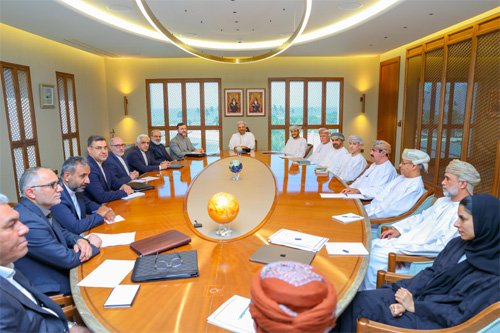
Iranian and Omani delegations discuss Strait of Hormuz navigation in Muscat, May 24, led respectively by Kazem Gharibabadi and Sayyid Badr Al Busaidi (Omani MOFA)

that matters most
Get the latest maritime news delivered to your inbox daily.
This latest attack is likely to be the product of recent negotiations in Muscat between Iran and Oman, which were hosted by Omani Foreign Minister Sayyid Badr Al Busaidi on May 24. At these negotiations, Oman is likely to have restated its support for the retention of the IMO-endorsed 1968 Traffic Separation Scheme, which it has supported with maritime services gratis for decades, and is likely to have declined to become part of Iran’s Strait of Hormuz Regulatory Authority. The drone attacks, strikes on ships in Omani territorial waters in which casualties have been inflicted, and the laying of mines in Omani territorial waters are all flagrant breaches of Omani sovereignty, but Oman prefers to respond to such attacks in a non-escalatory manner, hoping to leverage its long-term relationship with Iran to bring about a return to peace and stability. The unwillingness of Oman to bend to Iranian demands in the discussions in Muscat is likely to have annoyed the Iranians, but the Omanis are not likely to be swayed by the latest Iranian attempt to influence them.