
Little Change at Strait of Hormuz After Trump's 48-Hour Threat
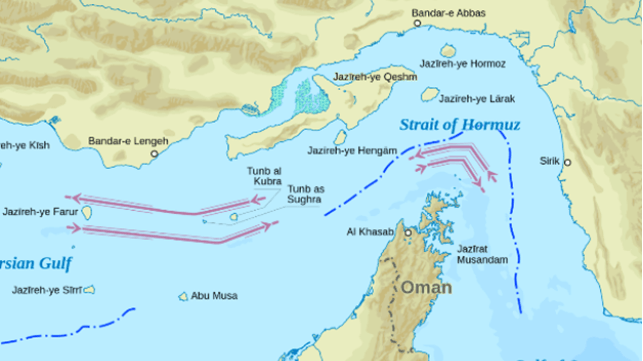
President Donald Trump has given the Iranian government until Monday evening to reopen the Strait of Hormuz, which he has said that the U.S. does not need. If Iran does not do so, Trump said, the U.S. will destroy Iran's electrical power plants. The threat is unlikely to affect the choices of Iran's new hardline leadership, multiple analysts assess.
For its part, Iran claims that the Strait is already open - for the right ships. A trickle of tonnage is getting past, according to tracking services, most of it using an Iranian-controlled lane past Qeshm and Larak. Iranian state media claims that negotiations are under way with multiple nations on the terms of passage, including India and China. Iran's own tankers continue to load and transit, facilitated by the U.S. decision to allow free passage for Iranian vessels and (as of Friday) to lift sanctions on Iranian oil.
Iran’s Kharg Island as seen **today** by the @CopernicusEU Sentinel-2 satellite.
— Javier Blas (@JavierBlas) March 22, 2026
Iran is loading multiple tankers, exporting oil and making $$$ — now, with the help of the White House.
The idea that Trump admin is using Iranian oil barrels against Iran is simply ridiculous. pic.twitter.com/nHsH21QD6w
Iran has refused to comply with Trump's 48-hour threat, and traffic at the strait remains light. It has promised to retaliate with strikes on neighboring states' critical infrastructure if its power grid is hit.
"If Iran's fuel and energy infrastructure is attacked by the enemy, all infrastructure of energy, information technology, and desalination facilities belonging to the US and [Israeli] regime in the region will be targeted," an IRGC spokesperson warned.
In the past week, Iran has destroyed approximately six percent of global LNG liquefaction capacity, damaged oil infrastructure infrastructure on the Saudi Red Sea coast, and launched strikes on the U.S.-UK base at Diego Garcia - more than 2,000 miles away from the combat zone. Dozens of oil and gas sites, ports and ships around the Gulf have been hit in the conflict so far, from Kuwait to Oman.

that matters most
Get the latest maritime news delivered to your inbox daily.
Multiple analysts assess that the likely near-term outcomes include U.S./Israeli strikes on the Iranian power grid, now required to demonstrate U.S. follow-through on Trump's 48-hour threat; Iranian retaliatory strikes on high-value infrastructure in neighboring states; uninterrupted Iranian control of the Strait of Hormuz; and continued pressure on the global supply of oil, gas and refined products, particularly affecting Asian consumers.
"Iran will not reopen the Strait of Hormuz. That’s not going to happen. In the coming days, we can expect Tehran to threaten to 'set the Gulf on fire,' especially if the U.S. strikes critical infrastructure," said former Israeli Defense Intelligence Iran chief Danny Citrinowitz. "Such rhetoric [U.S. threats] will not shift Iran’s position; instead, it forces the president to choose: escalate and follow through, risking broader war, or back down and further erode U.S. deterrence."