
Interferry Demands Pause for EU ETS Due to Inequities and Use of Funds
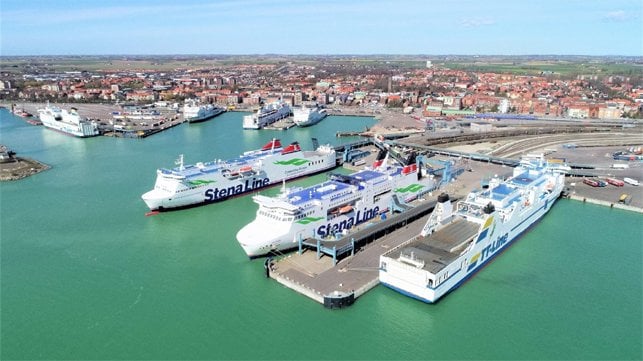
Interferry, the global trade association for the ferry industry, is calling for an immediate halt to the further phasing-in of the EU Emissions Trading System (ETS) for the maritime sector. The group is citing inequities and a severe competitive disadvantage as road transport remains exempt from the program. Further, it alleges that a lack of a funding scheme for e-fuels and investments such as electrification means the monies are instead being diverted to national member state budgets.
The trade group issued the demand following the EU Council’s decision to continue to exempt road transportation from a parallel ETS mechanism. They point out that remains the policy, the ETS program calls for increasing from 70 percent to 100 percent the obligations for maritime emissions in 2026.
“This exemption of road transport from the EU ETS creates an immediate, severe competitive disadvantage for RoRo and passenger ferries,” says Johan Roos, Director Regulatory Affairs of Interferry. “As it stands now, ETS creates an adverse incentive, pushing goods and passengers back onto already congested road networks due to higher ferry costs. This directly contradicts the long-standing EU policy of modal shift from road to sea.”
Interferry highlights that ferry services are critically important to Europe, with more than half of the world’s gross RoRo and passenger ship tonnage operating in European waters. It says that ferries transport 400 million passengers and 200 million vehicles and freight units every year within the EU, significantly offloading the road network.
The group says the industry supports decarbonization of the maritime sector and accepted the EU ETS on the clear understanding that funds collected would actually be used for decarbonization and that road transport would also soon be included. Every euro of freight rate increase on ferries they content risks pushing freight volumes back to the already congested European road networks.
“This action must remain in place until road transport is also in an ETS and funds collected are actually ringfenced for maritime decarbonization,” said Mike Corrigan, CEO of Interferry. “The EU must deliver on its promise of a level playing field and ensure its climate policy supports, rather than financially drains, its most forward-looking transport sector.”

that matters most
Get the latest maritime news delivered to your inbox daily.
Furthermore, the group cites the October 2025 postponement at the IMO of the adoption of a global Greenhouse Gas (GHG) pricing mechanism for at least 12 months. It points out that the framework was intended to replace the EU ETS and would have set clear guidelines for the use of the funds collected.
For now, it says ferries are being taxed at a rate of approximately €1 billion annually without a clear provision on how the money is reinvested to mitigate greenhouse gas emissions. It says the current approaches neither promote competitiveness nor cohesion, and hinder the industry’s ability to invest in cleaner technologies.