
Gulf Oil Exports Rebound to Prewar Levels, Despite Iranian Attacks
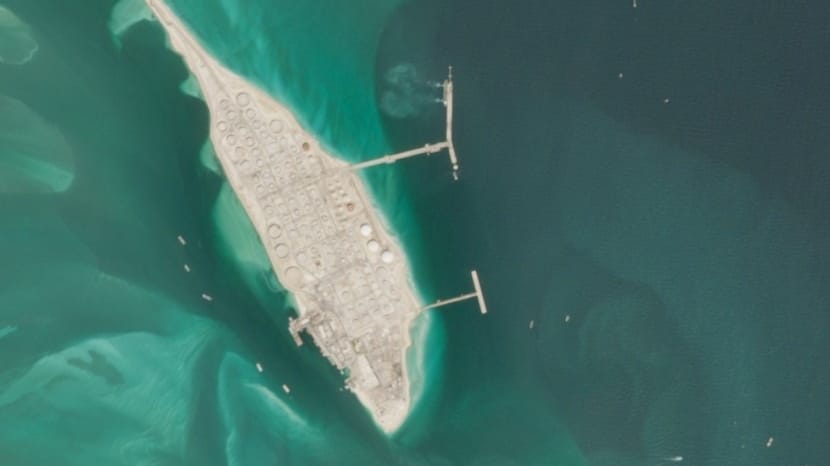
Despite Iran's attempts to close off the Strait of Hormuz, oil exports out of the Gulf states have steadily climbed back to the point where they are approximately the same as prewar volumes, though Iran's barrels continue to be locked in by the U.S. blockade.
Kpler assesses that oil volumes exiting the Gulf - via both tanker and pipeline - reached 16.5 million barrels per day on average in September. (JPMorgan concurs, assessing current Gulf export volumes at 98% of prewar levels). The water-side movement is heavily assisted by a shuttle-tanker system set up to carry crude through the dangerous waters of the strait and then transfer the oil to other vessels for the long haul to market. More than 70 percent of the oil that moves through the strait ends up in an STS transfer at the other end, according to Kpler's analysts - a statistic backed up by independent assessments of the busy transfer activity at the Fujairah anchorage.
Saudi crude export volume hit 6.4 million bpd last week, according to Kpler analyst Amena Bakr - higher than average levels seen before the war, and a big part of the reason why total Gulf volumes have recovered. But these shipments come at a cost. Bloomberg reports that Iraqi exporters are getting their crude out of the strait by selling it at up to $37 per barrel below benchmark pricing, thereby absorbing the extreme cost of shipping in order to get it to market.

that matters most
Get the latest maritime news delivered to your inbox daily.
Though oil exports have substantially recovered, the bounceback has yet to come for other major commodities - LNG, urea, ammonia, sulfur and refined products. None are getting through the strait and out to market at prewar levels. Distillates are a particularly pinched segment of the market. U.S. pricing for bulk diesel soared to record levels this week, driven up by the timing of physical delivery contracts and by a persistent shortage. Ukrainian attacks have temporarily eliminated Russia's diesel export trade; Gulf refinery exports are constrained by the security situation at Hormuz; and Saudi Arabia's Red Sea refineries have been hampered by militia attacks (both Houthi and Iraqi, per Saudi officials).
Given the factors hemming in refinery capacity, the increased flow of Gulf oil may not immediately relieve supply-side pressure on fuel pricing at the pump. In the U.S., the average retail price for diesel - needed for trucking, construction, agriculture and delivery service - hit a new record of $6.53 per gallon last week, up from $3.70 a year ago.
