
Greece Threatens EU Sanctions Veto Over Russian LNG Imports
In policy matters, the European Union takes its time, largely because it takes forever to build consensus between the 27 disparate members of the Union. Complicating matters further, consensus-building needs to be coordinated between three separate bodies – the European Council, on which each member nation has a vote; the European Parliament, where members collectively may have different views than the governments of the countries from where they have been elected; and finally the European Commission, where disagreements tend to be functional and inter-departmental and where national perspectives tend to be subordinated to a European view on matters. But the immensely complicated system does have one virtue: once a direction of travel is established, it tends to keep rumbling on down the same track.
Hence the European Commission, the only body within the system which can take policy initiatives, is now trying to get its 21st package of anti-Russian sanctions over the finish line. And as soon as the 21st package is implemented, the Commission will start work designing the next package, each tightening the screws and widening the effectiveness of the overall effort. This slow progress has seen some notable achievements, for example the weaning of Germany off of Russian pipeline gas, on which it was previously heavily dependent.
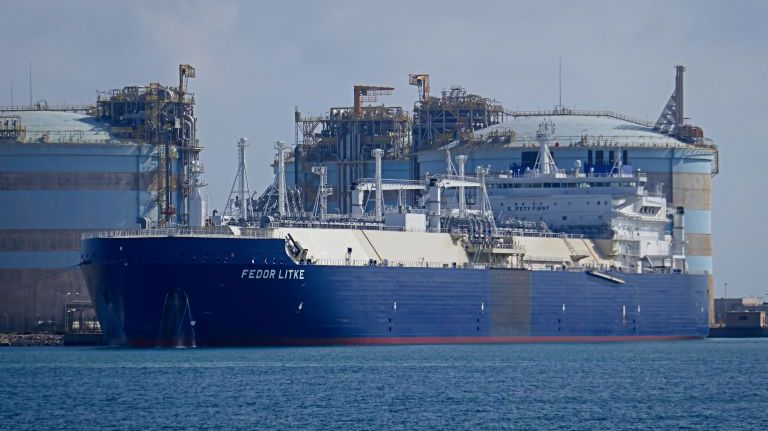
The 21st package however has hit a big obstacle. The package is seeking to cut European consumption, not any longer of piped gas, but now of shipped LNG. The issue has upset Greece, whose large shipping fleet hauls a big share of Russian LNG exports. While Ukraine's long range sanctions program may eventually render the matter academic, Greece is arguing that the package will do more damage to Greek shipowners than it will to Russian LNG export revenues.
There is little sympathy for the potential plight of Greek shipowners within the EU community, where other interest groups have been hit hard in earlier sanctions rounds. But EU bureaucrats are now wrestling with two problems.

that matters most
Get the latest maritime news delivered to your inbox daily.
The first is the precedent which would be set if Greek shipowners were to be given an exemption – not an attractive option, as failing to close down Russian LNG exports is one of the remaining pressure points which the EU has so far failed to close.
The second concern is that should the measures be implemented, Greek shipowners will sell their vessels to other flag owners, cutting their losses and banking the proceeds, or create the same sort of opaque dark fleet ownership structures which will hide their beneficial ownership. There are plenty of ex-Sovcomflot managers and experts in creating dark fleet structures, with knowledge of all the techniques involved, who are feeling increased pressure in the UAE - and may be looking to carrying on their trade in slightly cooler, more congenial locales.
