
Diesel-Electric LNG Carriers Face Headwinds Under EU Emissions Rules
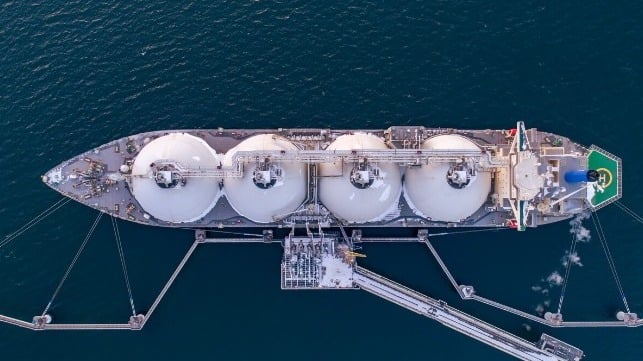
According to WoodMac, the fine details of climate policy are about to split the LNG carrier fleet into haves and have-nots. Aging steam turbine and diesel-electric vessels face increasing compliance costs because of their emissions, while modern ME-GI dual fuel ships (with low methane slip) are going to gain the upper hand as regulations get tighter.
Between the EU and the IMO, there are four different efficiency and emissions policy frameworks for shipping (plus one with an uncertain future): the EU ETS, FuelEU Maritime, and the IMO's CII and EEXI. The EU ETS is the most immediately impactful for LNG carrier operators because they emit methane, which was phased into ETS penalty coverage early this year. Methane slip is now billed at $75 per tonne of carbon equivalent for EU voyages (including EU components of international voyages, as defined in the rule).
Dual fuel diesel electric vessels will be significantly affected as the rules tighten further, Wood Mac reports. FuelEU Maritime is phasing in, bringing additional penalties and tightening fuel-reduction targets - at the far higher price of EUR645 per tonne.
"Owners who invested in DFDE vessels expecting them to be their compliance answer are facing a more uncomfortable reality," said Itzel Torruco, Research Analyst - LNG Freight, Wood Mackenzie. "Under EU rules from 2030, a DFDE ship on a European route faces penalties that make it commercially unattractive to charterers. The window to retrofit or exit is narrowing, and it has not yet been fully priced in."
DFDE technology entered service in the 2000s as a more efficient alternative to traditional steam plants, which were difficult to operate from a crewing perspective. Typical DFDE configurations use multiple medium-speed diesel engines that can run on boil-off gas or diesel, configured as generators to power electric final drives. Medium-speed four stroke diesels are generally less fuel-efficient than low-speed, two-stroke engines, and (historically) were prone to higher levels of methane slip than ME-GI designs; though modern medium-speeds have been much improved in this regard, DFDE propulsion is a legacy technology in the LNG carrier space, and the existing DFDE fleet runs on older engine designs.

that matters most
Get the latest maritime news delivered to your inbox daily.
This will be an increasing liability in Europe, a core market for the LNG carrier fleet. By 2030, the combined price of burning VLSFO in Europe will rise to more than $1250 per tonne, with equivalent pricing for equivalent emissions sources. This is high enough that DFDE vessels are likely to phase out of service by the mid-2030s, according to Wood Mac - but the trajectory could change if IMO adopts the NZF and the EU backs off of its regional regulations.
"If the IMO framework is adopted and the EU recognizes it as Paris-aligned, the compliance architecture operators have spent two years building could be simplified considerably," Torruco said. "If it fails, the overlap between EU ETS, FuelEU Maritime and the IMO framework becomes the permanent operating environment."