
Iran Demands an Israeli Ceasefire in Order to Continue Hormuz Peace Talks
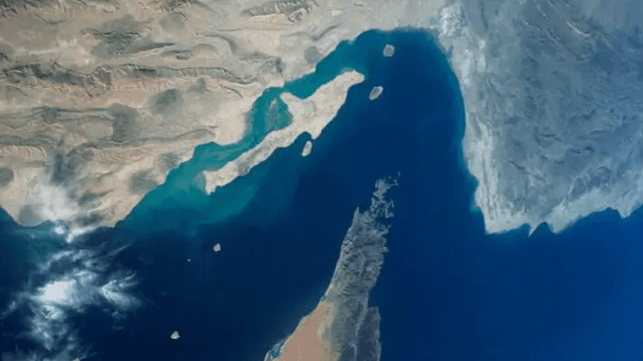
The Strait of Hormuz remained largely closed on Monday, and the messaging from Iranian and American negotiators suggested a limited chance of an agreement in the immediate term. In the morning, Iran suggested it might stop reading messages from the Trump administration due to ongoing hostilities between Israel and Hezbollah in Lebanon, and President Donald Trump indicated that the U.S. might be just fine going "silent" for a while on talks. While the two sides contemplate a hiatus, the global oil supply remains curtailed by dueling blockades at Hormuz; the pace of global and U.S. petroleum reserve draws suggests that if the situation does not change, the physical oil market's ability to fend off price hikes may approach an end within months.
Early in the day, Iranian sources said that they had suspended peace talks with U.S. officials until such time as Israel agreed to limit its offensive against Iran-backed Hezbollah in southern Lebanon. Israel's military accelerated its campaign north of the Litani River over the weekend, angering Iran. "Given that Lebanon was part of the ceasefire preconditions, and now this ceasefire has been violated on all fronts, including Lebanon, the Iranian negotiating team is suspending 'discussions and exchanges of texts through intermediaries,'" reported semiofficial Iranian outlet Tasnim.
In addition, the official Islamic Republic of Iran Broadcasting network (IRIB) threatened that the ongoing Israeli offensive could jump-start Houthi anti-shipping operations in the Red Sea, long quiescent. "In the event of a ceasefire violation by Israel in Lebanon, the established order in the Strait of Hormuz will also prevail in the Bab al-Mandab," IRIB reported.
Following the Iranian warnings, Trump held a call with Israeli Prime Minister Benjamin Netanyahu and encouraged him to curtail operations in Lebanon, without apparent success. "There will be no troops going to Beirut, and any troops that are on their way, have already been turned back," Trump claimed in a post-meeting statement. However, Netanyahu signaled that Israeli operations would continue as circumstances required.
Sources familiar with the call told Axios - an outlet with close ties to the White House - that Trump reprimanded Netanyahu vigorously and profanely, reminding him of past personal favors and questioning his decision to advance so far into Lebanon.
Unusually, Trump also acknowledged a direct and "very good" call with Hezbollah, the designated terrorist organization that controls much of southern Lebanon and periodically harasses Israel with missile attacks. It is the first time in years that a U.S. president has openly communicated with the banned organization.
Despite his unprecedented efforts to obtain the preconditions demanded by Iran, Trump indicated that he was indifferent to the future of the conversation. "I don’t care if [the talks with Iran are] over, honestly. I really don’t care. I couldn’t care less. If they’re over, they’re over. If they’re not, you know, I think they took too much time. Frankly, I thought they started to get very boring," Trump told CNBC's Eamon Javers.

that matters most
Get the latest maritime news delivered to your inbox daily.
Notwithstanding the stalled state of talks, small amounts of traffic continue to trickle past the U.S. and Iranian blockades in the strait. The so-called Persian Gulf Strait Authority - a U.S.-sanctioned administrative body that handles transit payments and paperwork for the Islamic Revolutionary Guard Corps - said Monday that 300 vessels have submitted their applications to pass through the waterway to date. The Iranian agency claims that GCC states' shipping interests dominate the list of requests to enter the Gulf, led by the UAE, Iran's main local opponent (and target) in recent hostilities. The claims cannot be easily verified, and shipping interests have every reason to be circumspect about any interactions with the sanctioned agency.
On the southern side of the waterway, U.S. forces claim to have coordinated transits for about 70 vessels to date, and have directed Iran-linked tonnage to divert from course about 120 times. At present, U.S. forces are refraining from an on-the-water escort operation, but are providing remote assistance to neutral vessels that attempt to make the transit without Iranian permission.