
Congress Approves DHS Bill, Ending Coast Guard's Desperate Cashflow Crunch
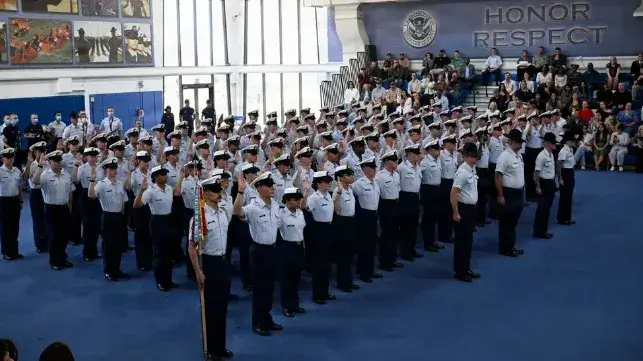
Following pressure from the White House, the U.S. House of Representatives has passed a Senate compromise bill to fund most of the Department of Homeland Security, excluding Immigration and Customs Enforcement (ICE) and the Border Patrol. The agreement ends a 76-day shutdown that had strained the finances of all DHS agencies, including the U.S. Coast Guard.
According to Adm. Kevin Lunday, the service's commandant, the situation for coastguardsmen had been growing desperate without an appropriation to cover operating costs. Payroll is the most obvious concern, but the service found itself unable to even pay the bills to keep the lights on.
"We have over 6,000 utility bills that have been unpaid because DHS is not funded. And so now we're starting to see electricity, water, natural gas, other services shut off that are impacting not only our operational units and bases where our people work, but starting to impact where people live," Lunday told CBS Morning News. "They launch 24/7, 365, and suddenly the lights go out or they don't have water."
Coastguardsmen have also been forced to front their own costs for change of station. The USCG is well known for rotating its personnel through different locations on a fast cycle, and its payscale is frugal; normally it provides an advance on pay to help cover the costs of a move. Not so during a shutdown: active-duty servicemembers have had to dip into their own savings or take on personal debt in order to obey relocation orders, Lunday said. "So they're putting those thousands of dollars on credit cards. They're depleting their savings. They're taking out loans that they can't afford," he told CBS. (Coast Guard families have been particularly vexed to see members of Congress traveling on vacation during the shutdown, as servicemembers have had to cancel their own plans because Congress would not pay their wages, he added.)

that matters most
Get the latest maritime news delivered to your inbox daily.
The shutdown also reverberated throughout Coast Guard operations. The National Maritime Center has a backlog of 19,000 credentials to work through; the service has had to suspend training exercises for event security operations, like its role in protecting the upcoming 250th U.S. anniversary celebration; and its bridge safety office - which reviews construction plans for impacts on navigation - has been stalled in the middle of dozens of permit reviews.
After Thursday's voice vote, Members of the Democratic Senate minority noted that the shutdown could have ended in March if the House had taken up the Senate compromise bill immediately, rather than waiting an additional five weeks. Contrastingly, Republicans have noted that the shutdown could have been avoided altogether if funding for immigration enforcement had been included in the DHS appropriations package at the outset. In the end, the shutdown may have no effect on policy outcomes: ICE and the Border Patrol are still on track to receive a generous $70-140 billion in funding over the remainder of the Trump administration, to be paid for in a separate reconciliation bill.