


U.S. Coast Guard Has Seized 150,000 Pounds of Cocaine Since August
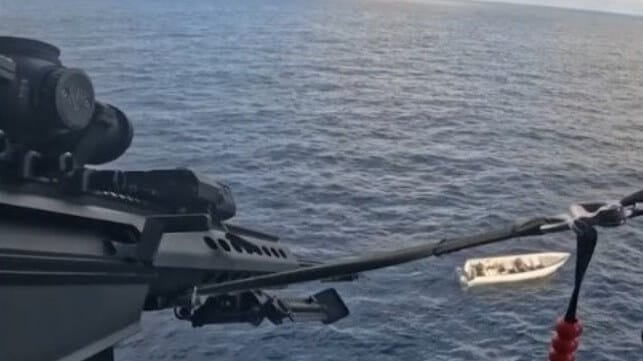
The U.S. Coast Guard says that it has seized 68 tonnes of cocaine since beginning an intensive interdiction campaign in the Eastern Pacific in August, suggesting that it is on track for another banner year. At this pace, the service's performance could approach the record that it set in FY2025.
"This milestone is a testament to the vigilance and tenacity of our crews," said Adm. Kevin Lunday, the Coast Guard’s acting commandant. "When we say we own the sea, it reflects our relentless pursuit to securing the maritime domain and disrupting the criminal networks that threaten our communities."
Nine tonnes of the total (13 percent) came from a single bust carried out by USCGC Munro in early December, showing that smugglers continue to load up boats with high-volume, high-value shipments - despite the new risk of deadly drone strikes by the U.S. Air Force's special operations units. Munro's crew captured the cocaine shipment on December 2 by shooting out the engines of a large go-fast vessel.
In addition, USCGC James captured about nine tonnes in 10 days in November, seizing drugs from four boats in a row (with an assist from USCGC Active). And in mid-November, USCGC Stone set a new Coast Guard record by offloading 22 tonnes of cocaine in one single delivery at Port Everglades, Florida - removing enough drugs to supply street doses for every resident in the state if it were allowed to go to market.

that matters most
Get the latest maritime news delivered to your inbox daily.
"Operation Pacific Viper has proven to be a crucial weapon in the fight against foreign drug traffickers and cartels in Latin America and has sent a clear message that we will disrupt, dismantle and destroy their deadly business exploits wherever we find them," U.S. Department of Homeland Security Secretary Kristi Noem said in a statement.
The Coast Guard's approach contrasts with the Pentagon's controversial program to destroy drug boats and their crews by aerial attack, without boardings or arrests. Congress is applying extra scrutiny to this new initiative in the wake of revelations that at least one attack involved a "double-tap" followup strike, killing two suspected smugglers who had survived the initial blast and were still alive in the water near their disabled vessel. By contrast, the Coast Guard's interdiction methods are almost always nonlethal, and exceedingly rare casualties have been rescued and treated.
