

Toxic Spill Shuts Down Two Container Terminals at Port of Antwerp
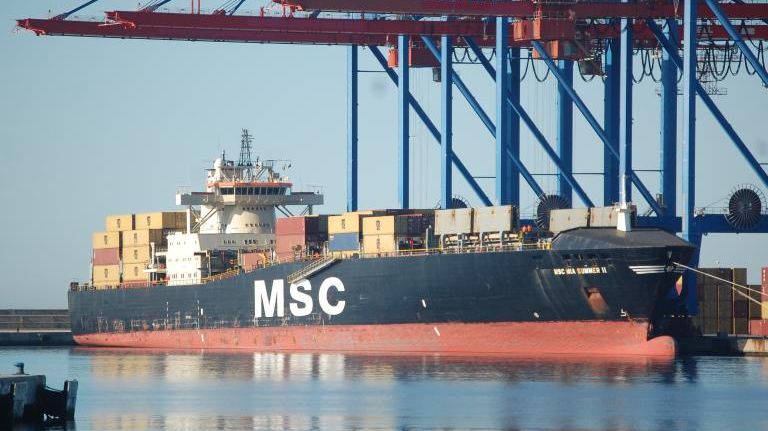
The Port of Antwerp-Bruges shut down several terminals Wednesday in response to a highly toxic acid spill from a shipping container, including the DP World Antwerp Gateway terminal.
Initial reports indicated that a container aboard the boxship Mia Summer II began leaking hydrofluoric acid. The ship was alongside the pier at the Deurganck Dock area of Antwerp, a busy district, and more than 150 people were potentially exposed to HF fumes.
28 people developed more serious symptoms of HF inhalation and were hospitalized for care and observation, including one individual who is intensive care, according to Antwerp's city government.
Traffic in nearby waterways was temporarily suspended, and the port activated cordon and evacuation plans for nearby areas, including the Kieldrecht Lock complex and all of the Deurganck Dock. The area is home to some of Europe's biggest container facilities, including the Antwerp Gateway and MPET terminals.
Antwerp Gateway reopened early Wednesday afternoon, and marine traffic partially resumed, but MPET remained closed
The fumes did not reach residential areas, and the exposure only impacted crewmembers and port workers. The leak began to slow down by Tuesday evening, and first responders made plans to seal up the container and take it away for safe disposal.
Belgian prosecutors have opened a criminal inquiry into the circumstances of the release. Few details have been made public, but it is understood that the leak began during cargo operations.
Hydrofluoric acid is a reactive, poisonous substance used in several manufacturing processes. It is extremely corrosive, powerful enough to dissolve glass in high concentrations; it is stored in liquid form but evaporates readily to create a toxic vapor. Even in lower concentrations, it penetrates the skin to cause severe, deep burns, liquefying the underlying tissue as it progresses. On reaching the bloodstream, it binds with calcium and magnesium ions in the blood, potentially leading to cardiac arrythmia and heart attack. Even inhalation of the vapor can be life-threatening, as HF causes swelling of the airway, obstructing breathing.

that matters most
Get the latest maritime news delivered to your inbox daily.
Depending on the concentration of the acid, the health effects can manifest up to a day after exposure, so potential victims require careful evaluation and monitoring. Early treatment can reduce the effects and can be lifesaving.
Top image: MSC Mia Summer II (VesselFinder / F. Ybancos)