


Expanding the Market for European River Cruising
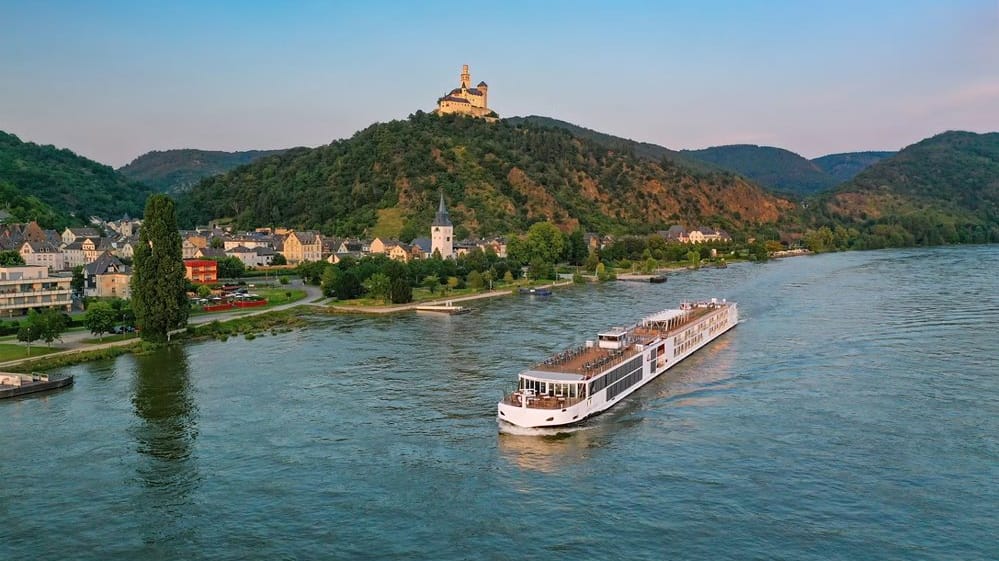
Cruising along Europe’s rivers, including the Danube, the Rhine, and the Main, is in some ways one of the oldest segments of the cruise industry, but it continues to grow rapidly. While mostly identified as a market for mature travelers, the next wave of growth in the market is being driven by new ships and offerings aimed at different segments of the traveling public.
Growth in European river cruising accelerated over the past 20 years with the development of firms including Viking, AmaWaterways, Avalon, and others, and they continue to drive key segments of the market. But there are also firms such as A-Rosa and Nico dedicated to the large German market, the French firm CroisiEurope, and entrants from the United Kingdom and China. According to the trade group IG RiverCruise, the market numbered 386 ships in Europe in 2025 with a total of 1.49 million passengers. It highlights that Germany and the United States were the largest source markets.
“River cruising has traditionally been branded as a more mature audience, but that’s just not true anymore,” says Kristin Freeman, the CEO of the luxury travel agency FlyOver Travel. He notes forecasts of 12 percent growth, while emphasizing “we see that increasing each year, with strong demand for wanting to experience this kind of travel.”
Michael Consoli, a travel advisor at Cruise Planners with nearly 25 years of experience, agrees, saying that during the past decade river cruising has become more popular. He sees diversification emerging as lines compete for customers. “While traditionally it was seen as being for older seniors, select river cruise lines are offering family-friendly itineraries,” he notes as one example of the diversification.
“The rivers are the highways of Europe,” says Consoli. He and others acknowledge, however, that most of the travel happens on just a few rivers. In addition to the Rhine and Danube, the Seine is also growing, and Portugal’s Douro has emerged as a popular itinerary.
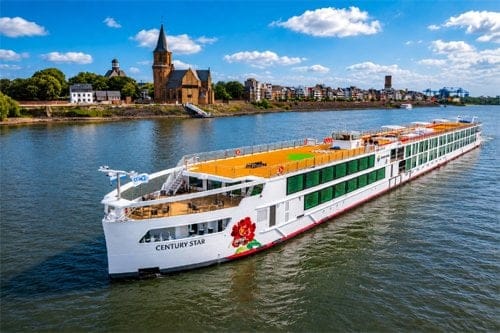
A Chinese cruise line launches Century Star in Europe this fall (Century Cruises)
“The differentiation in the experience is based on the experience, not necessarily the river. There are only so many rivers you can travel to,” says Freeman. “It's how the suppliers create the experiences from dining, excursions, payment, museums, chef's tables, and things that make it unique for a traveler. Whether you want a wellness program, e-bikes, active, or relaxed, the lines are making experiences that are catered to the current and future customers.”
New entrants are bringing different types of offerings to the market. For example, National Geographic-Lindblad Expeditions launched its first river cruises in August on a chartered ship and will add a second ship in 2027. Companies including Riviera Travel dropped the fare supplement for solo travelers to open another new segment, while Freeman points to more families and multi-generational travel.
“We hear it all the time from our clients – they want to introduce their adult children and grandchildren to the history, culture, and food of Europe without the hassle,” says Consoli. “A family-designed river cruise creates a unique experience so they can all create memories cruising through the major cities of Europe - and I expect this to continue growing in the coming years.”
He points to offerings such as Adventures by Disney operated by AmaWaterways, which provides a very different option from Viking, for example, which limits passengers to 18 and above and calls itself a “thinking person’s cruise.”
Some of the new offerings, however, were possibly ahead of their time. Uniworld in 2016/2017 launched U by Uniworld, painting two ships black, calling them A and B, and featuring rooftop cocktail lounges, mobile DJs, and late-night shore excursions. It was aimed at the 20- and 30-something segments, but was quietly wound down when it failed to develop a niche. A decade later, travel advisors, however, report that younger generations are a growing part of the market.
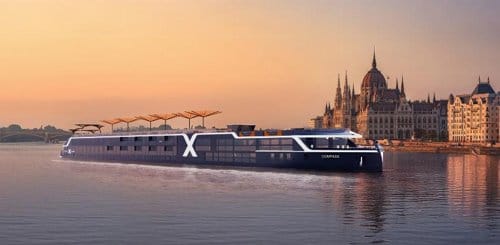
One of the wildcards for European river cruising is Celebrity Cruises' entry into the market starting in 2027 (Celebrity Cruises)
Emma Guse, a travel advisor at Travelmation, points to other options such as “City Escapes” itineraries from AmaWaterways that focus on more time in ports. She led a multi-generational group of 20 family and friends in March on the Danube and pointed to the ease when it came to transportation, dining, and activities for a group.
The river cruise lines are continuing to grow. Viking, for example, expects to take delivery of 24 additional river cruise ships by 2028, with options for another 16 ships by 2032, while AmaWaterways plans to add 15 in Europe as part of growing its global fleet to more than 50 ships by 2032. Germany’s TUI will add four ships by 2028, taking its fleet to 10 ships, while the big wildcard is Celebrity Cruises, which has ordered four ships to launch river cruising in 2027 and promises to build a fleet of 20 ships.
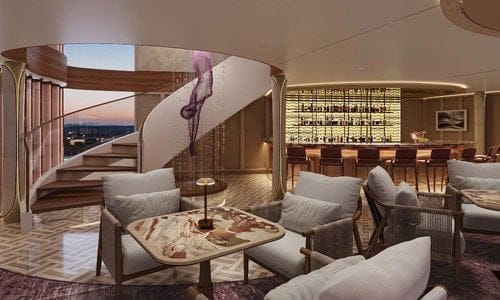
Celebrity Cruises will bring its ocean cruising style to the river market (Celebrity Cruises)
Leveraging its loyal market of ocean travelers, Guse says Celebrity is likely to bring “a fresh sense of innovation to ship design, dining and excursions.”
In general, the new ships are introducing innovations such as swimming pools, expanded fitness offerings, and spas. Freeman notes the amenities on the newer ships are “going to make it easy for people who took river cruises in the past to come back again and have a differentiated experience.” Guse, however, worries about the potential for overcrowding or inconvenience in the smaller towns as the market grows.
The German Travel Association (DRV) in a 2025 study also highlighted some of the challenges. It said there will need to be more modernization along the inland waterways, including new moorings. It also points to the challenges with locks and other hydraulic structures as well as a lack of shore power connections and insufficient berthing capacity.

that matters most
Get the latest maritime news delivered to your inbox daily.
The 2026 season has also been challenged by low water levels on some of the key rivers. The lines have had to implement contingency plans or reroute ships. Frank Pacella, VP of Maritime Cruise and Ferry at MTN Satellite, which supplies the cruise lines with connectivity and AI strategy, expects the lines will learn to adjust their operations. He foresees hybrid river/overland programming and more alternate routing, but believes the product has to be increasingly adaptable rather than fixed to a single waterway.
Pacella notes, however, that the river cruise segment remains one of the most resilient parts of the leisure travel industry.
