


Environmental Groups Sue to Block BP's New Ultra-Deepwater Well
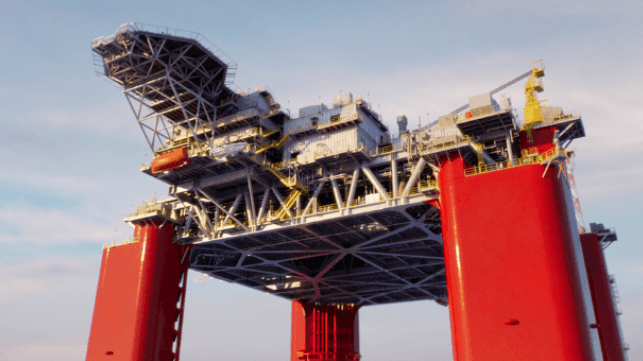
Environmental groups are suing the Trump administration to block the start of drilling on BP's ambitious Kaskida project, an ultra-deepwater field that requires new high-pressure high-temperature (HPHT) technology for development.
BP is investing $5 billion Kaskida, its "next chapter" in the U.S. Gulf. The field was discovered in 2006, but its development was impractical at the time. BP made a final investment decision on the project in 2024, and the future platform will be the company's sixth installation in the region when it comes online in 2029. The production rate is expected to come in at about 80,000 bpd in phase one of development.
Work on a similar, parallel project - Tiber - is also in preparation, and will lean heavily on the engineering and design work from Kaskida. Taken together, the two wells are expected to yield about 10 billion barrels of oil - about one barrel per dollar of capex.
Both wells are located in the Paleogene geologic zone, deeper than traditional Gulf wells and previously inaccessible because of their extreme conditions. HPHT drilling is now possible because of the advent of 20,000 PSI (20K) drilling rigs and well equipment, including high-spec, ultra-high-cost blowout preventers. Though recent, the technology is not specific to BP, nor is it brand new: Chevron ventured into the ultra-high-pressure frontier with the Anchor project in 2024.
Environmental groups led by Earthjustice have filed suit to stop the project, drawing parallels between Kaskida and BP's Macondo project - known best by the name of the drill rig involved, Deepwater Horizon. Macondo - referred to by rig crew as the "well from hell" for its tendency to kick - sustained an uncontrolled blowout in 2010, resulting in an explosion, fire, 11 fatalities and a record-setting oil spill.
Earthjustice notes that well pressure and temperature at Kaskida will be much more extreme than at Macondo, and alleges that this increases the odds of a blowout, citing a risk assessment by the International Association of Oil and Gas Producers. The NGO notes that BP's own assessment suggests that a blowout at Kaskida would result in a spill of up to 4.5 million barrels over the span of up to 100 days of intervention.

that matters most
Get the latest maritime news delivered to your inbox daily.
Earthjustice suggests that this risk is to great to accept, and it alleges shortcomings in the regulatory process leading up to Kaskida's approval, claiming that "the approval sets a dangerously low bar for oil-and-gas companies that want to drill in our public waters."
The suit names the Department of Interior and BOEM as defendants, and focuses on the federal approval process; BP is not a party to the litigation.
