
Venezuela Tanker Seizures Have Set a New Precedent, and More May Follow
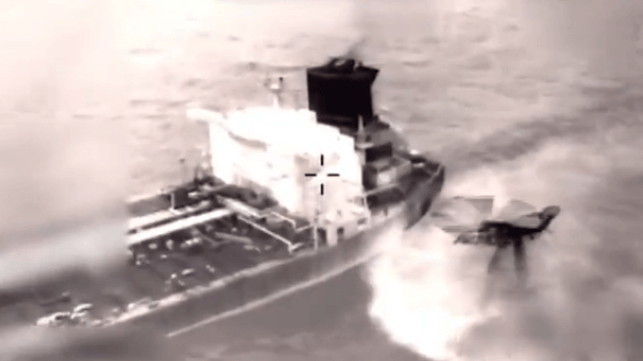
The U.S. government has seized five shadow fleet tankers to date in its campaign to control Venezuela's energy exports, and it plans to market the seized oil on board. With the new government in Caracas agreeing to cooperate with U.S. authorities on the marketing and sale of the crude, there will likely be fewer need for at-sea seizures after the current roundup of a dozen-odd fugitive vessels has been completed. Four "escapee" vessels voluntarily returned to port in Venezuela over the weekend, reportedly after intervention by the new government in Caracas.
There may still be a use for the tanker-seizing tactic going forward: a quarantine would be a possible way to apply pressure to the government of Cuba, which has been communist-run since 1959 and is a prime target for the Trump administration. The White House has forbidden Venezuela (or other nations) to ship crude to Cuba; the decision is part of an attempt to force an economic slowdown on the island. Cuba does not have oil of its own, and needs to import about 35,000 barrels per day for vehicle fuel and power generation.
"There will be no more oil or money going to Cuba - zero!" President Donald Trump said on Sunday. "I strongly suggest they make a deal, before it is too late."
The prospect of more seizures raises practical questions of what to do with the tankers, some of which are reportedly in rough shape. The U.S. Coast Guard is getting ready to deal with an influx of battered shadow-fleet tonnage, according to the Washington Post. These VLCCs are not IACS classed or IUMI-insured, and many do not have a flag state at all. More inspectors have been called up to assess heavily dilapidated hulls. Some are "beyond substandard" in their condition, a Coast Guard memo seen by the Washington Post suggested. After temporary repairs and offloading, the ships could be auctioned.

that matters most
Get the latest maritime news delivered to your inbox daily.
To replace these aging tankers, America's maritime unions have called on the administration to make use of U.S.-crewed, U.S.-flagged tonnage to move Venezuelan oil. "To foster growth in the U.S.-flag fleet and boost the competitiveness of the American maritime industry, it is crucial that U.S.-flag carriers and their American crews have access to reliable, long-term cargo opportunities in the global trade landscape," wrote the AMO, MM&P and SIU in a joint letter. "Requiring U.S.-flag vessels, manned by American mariners, to transport Venezuelan crude oil legally and safely would uphold long-standing maritime principles and ensure that essential global energy supply chains function effectively."
In seizing stateless tankers on the high seas, the U.S. may also have set an example that others may follow. The government of the UK is considering comparable boarding actions for stateless vessels - but in this case, vessels that serve the Russian oil trade. Britain's Sanctions and Money Laundering Act of 2018 could provide the legal underpinnings of high-seas boardings, government sources told the BBC, though it would come with risk. With hybrid warfare in Europe at top of mind, UK-led tanker seizures could be a significant escalation in the ongoing grey-zone confrontation with Moscow.
The opinions expressed herein are the author's and not necessarily those of The Maritime Executive.