
Massachusetts Looks to Nova Scotia to Supply Offshore Wind Energy
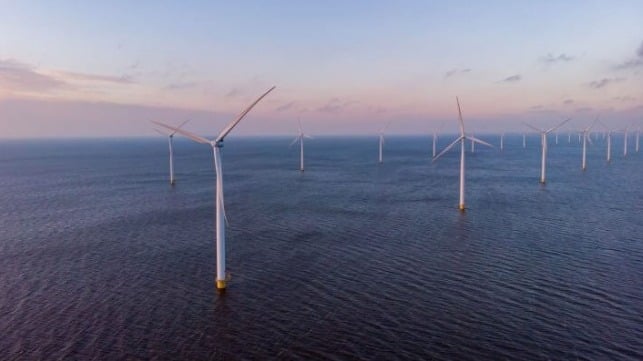
Faced with the need for more electrical power and a desire to expand renewable energy, Massachusetts is looking toward the import of renewable energy from neighboring Nova Scotia. The first-of-its-kind agreement would present a novel solution to meeting the needs while also addressing the opposition of the Trump administration to the development of offshore wind energy generation.
Massachusetts is a strong supporter of the offshore wind energy industry, with some of the first large projects in the United States. It is just weeks away from the completion of Vineyard Wind 1 and has been at the forefront of the efforts to oppose the Trump administration’s efforts to end the development of offshore wind energy. Massachusetts Attorney General Andrea Joy Campbell in January filed an amicus brief supporting Vineyard Wind in its lawsuit against the Trump Administration, and last year Massachusetts led the state’s suit against the Trump administration’s executive order to review the future of the industry.
Meeting with Nova Scotia Premier Tim Houston, Massachusetts Governor Maura Healey today, February 4, signed a memorandum of understanding to work toward Nova Scotia supplying the state with offshore wind energy. The agreement is being billed as a win-win for the state, which has growing power needs, and will also support Nova Scotia as it works to launch Canada’s first offshore wind projects.
“We’re on the verge of our first call for bids to license the first offshore wind projects in Canada, and we’re advancing Wind West to build the transmission infrastructure to send that clean energy to markets,” said Premier Tim Houston. “Our agreement with Massachusetts signals to developers that markets for their clean energy are solidifying, giving them even more confidence to invest in our new offshore wind industry.”
Canada has historically been a major power exporter to the United States, despite the trade tensions with the Trump administration. Historically it has been between 50 and 60 million megawatthours annually, although it fell to just over 27 million megawatthours in 2024, according to the U.S. Energy Information Administration.
Nova Scotia and the Government of Canada jointly designated the first four offshore wind energy areas in Nova Scotia in July 2025, and the Canada-Nova Scotia Offshore Energy Regulator launched the overall process for the first call for bids to license offshore wind energy in Nova Scotia on October 16. The call for bids is expected in the next few months. After the first four licenses currently in process, the province said it would revisit four to five other areas that had been identified in the regional assessment.

that matters most
Get the latest maritime news delivered to your inbox daily.
It is part of an ambitious plan outlined by Premier Houston in 2025. He points out that Nova Scotia has some of the strongest and most consistent winds on the planet. The initial plan calls for 5 GW of generation capacity by 2030, while the Premier highlights that the province currently has peak usage of 2.4 GW.
Long-term, Nova Scotia has a vision that says it could potentially produce 66 GW through the development of its offshore capabilities, making it a power hub and key supplier for other parts of Canada and the United States.