
Dark Transits of Hormuz and Spoofing Increase as Ships Avoid Omani Route
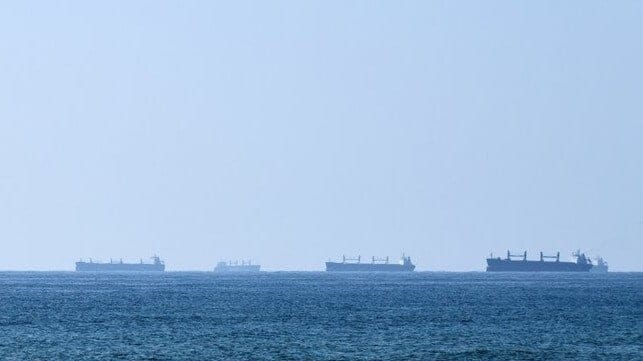
Transits through the Strait of Hormuz have not stopped this week after the renewed attacks, but have slowed dramatically, and especially along the so-called Southern Corridor hugging the Omani coast. Despite Iran’s assertions of control, U.S. Central Command continues to say the Strait is open and vessels are moving through.
The exact number of transits is difficult to establish, in part because more vessels are going dark. Maritime software and data intelligence provider AXSMarine reports that the latest attacks appear to have pushed vessels in the region toward more opaque transit behavior. It says that, except for tankers, AIS-off transits have nearly doubled in the past few days. It believes that some gas carriers are still using the southern route, making dark transits.
AI data intelligence firm Windward also notes that dark transits are climbing. It calculates that approximately 40 percent of all traffic through Hormuz has gone dark. It says this is the highest it has been in six days.
AIS spoofing activity also resumed on July 9, reports AXSMarine. It notes that spoofing had largely subsided over the previous two weeks.
The number of transits has clearly fallen, with Kpler saying it was down for a second consecutive day on July 9. It sets the number at 22 on Thursday, down from 30 on Wednesday. It believes that only one vessel crossed the Omani route.
Strait of Hormuz crossings fall as operators remain cautious
— MarineTraffic (@MarineTraffic) July 10, 2026
Confirmed vessel crossings through the Strait of Hormuz fell for a second consecutive day on 9 July, dropping to 22 crossings from 30 the previous day, according to #MarineTraffic data. Activity remained largely… pic.twitter.com/q500l6bpjq
AXSMarine thinks the number of transits was down to 20 vessels across both directions of the Strait of Hormuz. Nearly all the transits that it observed moved toward the Iranian-controlled route.
The decline in transits appears to be continuing, with Windward reporting just six vessels made the transit overnight between July 9 and 10. Further, it reports that only one vessel was outbound last night, versus between 15 and 21 in the days leading up to the latest attacks.
CENTCOM, however, issued a statement on Friday asserting, “Iran does not control the Strait of Hormuz.” It reports that since early May, U.S. forces have helped facilitate more than 800 commercial vessels and 380 million barrels of crude through the Strait. However, it does not address the current situation.
The number of vessels trapped in the Persian Gulf has clearly declined. AXSMarine said it was under 700, representing a decline of more than 370 vessels. Overall, AXSMarine says that AIS data indicate that about a third of the fleet trapped at the start of the conflict is no longer detected in the zone, but it warns that a large number of tankers and gas carriers are still in the Gulf.

that matters most
Get the latest maritime news delivered to your inbox daily.
The trade group INTERTANKO warned members in an update today, July 10, that the latest military exchanges were more intense and geographically broader than previous ceasefire breakdowns. It notes that the International Maritime Organization’s proposed seafarer evacuation plan remains on hold, but notes that technical discussions between the U.S. and Iran have resumed. Donald Trump, however, posted on Friday that the ceasefire is over and the U.S. would respond to any further Iranian aggression.
Speculation is also growing that the U.S. could be moving toward restoring the blockade of Iranian ports and shipping. TankerTrackers.com reported on Friday that the Iranians had shipped out “no less than 10 million barrels of crude oil and fuel oil overnight.” This comes on top of its estimates of 60 million barrels of crude oil shipped since the blockade was suspended in mid-June. However, TankerTrakers.com estimates that Iran would be stuck with as much as 50 million barrels of crude and refined products if the blockade resumes.
