
Bulker Casualties Decline While Liquefaction and Flooding Remain Key Risks
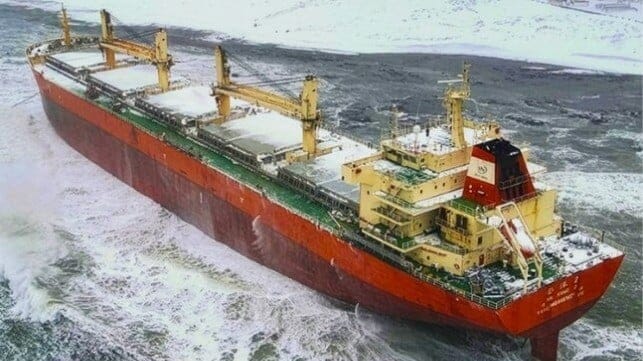
The industry trade group INTERCARGO released a new report on vessel casualties and lives lost in the bulker community, highlighting an overall decline over the past decade. It, however, emphasizes the continued need for enforcement and training, noting that liquefaction and flooding remained the biggest dangers and resulted in the most lives lost.
Over the decade from 2016 to 2026, it reports there were 17 bulker casualties among vessels 10,000 dwt or larger. It says that a total of 71 seafarers were lost along with 1.63 million dwt, while noting that the rolling ten-year average of annual losses has consistently fallen.
It also highlights the growth in the bulker community. The number of vessels increased more than 30 percent between 10,400 in 2013 and 13,669 in 2026.
“The steady reduction in bulk carrier losses over the past decades reflects the industry’s continuous efforts to improve safety,” commented John Xylas, Chairman of INTERCARGO. “Behind these numbers are real lives, and every incident reinforces the importance of learning and acting together.”
The report points to sustained improvements across the industry. It says this has included enhanced ship design, improved crew training, operational experience, and strengthened regulatory compliance.
Cargo liquefaction it reports remains the leading cause of loss of life, accounting for 37 fatalities (over 50 percent of the total). Further, it reports that vessels in the 50,000–59,999 dwt range account for 52 percent of the lives lost but just four of the just four of the 17 vessels lost. It says this concentration reflects the danger of nickel ore and similar high-risk cargoes carried by this class of ship.
Flooding incidents, though fewer in number, were another risk to lives. It highlights that nearly half of all lives lost were due to flooding. Also, while not in the reporting period, it highlights another instance. In early 2026, the MV Devon Bay was lost while carrying nickel ore, with two seafarers lost and four declared missing.
Groundings remain the primary cause of vessel losses, responsible for 41 percent of the casualties. Here, it notes that the losses are concentrated in vessels aged 15–19 years, underlining the importance of navigational discipline and passage planning as ships age.
Between 2024 and 2025, it also notes five bulk carrier casualties in the Red Sea and Gulf of Aden were linked to missile, drone, and uncrewed vessel attacks. It condemns the actions that resulted in fatalities and injuries.
INTERCARGO and its members continue to work closely with stakeholders to strengthen key elements. It calls for continued vigilance on cargo declaration, testing procedures, and enforcement by flag and port states. It also recommends training for ship and shore personnel. INTERCARGO notes that the practical implementation of the IMSBC Code, including more prescriptive requirements on moisture testing, sampling procedures, and shipper declarations of cargo properties, is critical.

that matters most
Get the latest maritime news delivered to your inbox daily.
The group also calls for transparency and timeliness of casualty investigations. It says this will ensure lessons are learned and shared more effectively.
With global dry bulk trade continuing to grow, INTERCARGO emphasizes that maintaining and improving safety standards requires ongoing collaboration between all stakeholders, including shipowners, charterers, shippers, ports, and regulators.
