
After Turkey Rejects "Stolen" Ukrainian Grain, Bulker Loiters at Sea
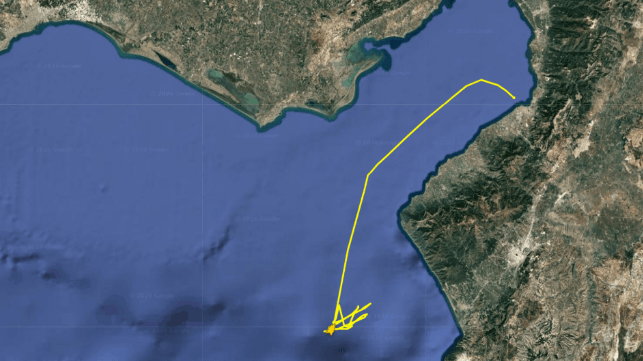
Following diplomatic pressure from Kyiv, the government of Turkey has refused to allow a Greek bulker carrying allegedly stolen grain from Russian-occupied areas of Ukraine to enter port. It is the second time that public criticism has prompted the ship to move on: in April, importers in Israel refused to take delivery of the cargo and forced the vessel to seek another place to offload.
Panormitis (IMO 9445021) is one of many Greek vessels named after the Monastery of the Archangel Michael of Panormitis, located on Symi in the Dodecanese. She loaded a cargo of grain somewhere near Novorossiysk in April (AIS-dark periods and GPS disruption make her movements ambiguous) and headed for Israel, arriving at Haifa on April 26.
She was the second ship carrying allegedly stolen ex-Ukrainian grain to market in Israel within the span of a month, and Ukrainian foreign minister Andrii Sybiha summoned the Israeli ambassador in order to lodge a formal complaint. On April 30, Israel's Grain Importers Association announced that the ship would not be unloading because the importer in question had rejected the cargo. "The Russian supplier of the cargo will have to find an alternative destination to unload it," the association told the Jerusalem Post.
According to Israeli outlet Haaretz, the Russian export system for ex-Ukrainian wheat revolves around ship-to-ship transfers conducted on the open waters of the Black Sea. Shuttle vessels move grain from Sevastopol and other Russian-occupied loading ports to a designated granary ship, which then transloads the grain onto reputable internationally-trading bulkers, which carry it to market. Some of these bulkers appear to load and depart without ever calling in a Russian-controlled port, keeping their involvement in the Russian export trade at arms length.

that matters most
Get the latest maritime news delivered to your inbox daily.
Following the rejection of the cargo at Haifa, the Panormitis transited north to nearby Iskenderun, Turkey, arriving May 13. Her request to enter port appears to have been denied by Ankara, and she departed overnight Saturday without ever reaching a berth. As of Monday, AIS data (provided by Pole Star Global) shows that she was loitering near the Turkish-Syrian maritime boundary, within easy reach of Latakia or Tartus.
Syria has historically been a leading destination market for ex-Ukrainian grain sold by Russian exporters, and it continues to be the top consumer of these gray-market cargoes, according to Türkiye Today - despite the recent change in government in Damascus.