
Iran's "Persian Gulf Strait Authority" Takes Steps Towards Operations
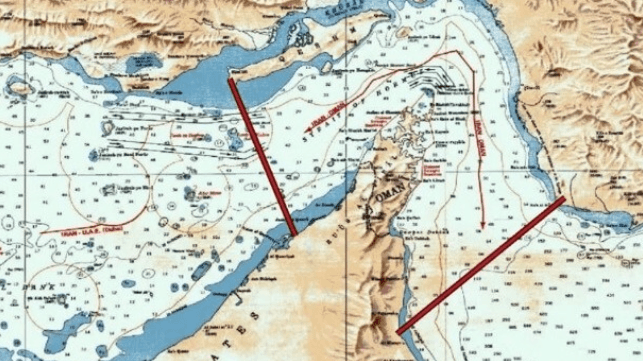
Iran's self-proclaimed "Persian Gulf Strait Authority" for the administration of Strait of Hormuz transit authorization has formally launched with an official account on X.com, a sign of its progression into full public-facing operation. The toll regime under the PGSA could reportedly cost international shipowners a fee of up to $2 million per passage in Bitcoin or yuan.
The fee offers owners a binary compliance choice, since it is strictly prohibited by the U.S. Office of Foreign Assets Control and sanctionable under U.S. law. The U.S. Treasury has announced its intention to find and sanction owners who pay Iran for safe passage; so far, it has yet to set an enforcement precedent by initiating the first penalty, though it has sanctioned scores of other ships over the years for various links to Iranian trade.
The PGSA mechanism is more than a fee collection plan, though the revenue will be important to the regime. Before receiving authorization for transit, merchant vessels will have to apply to the agency for permission; the application includes detailed and sensitive information on the ship's operation. The required documents include a declaration describing the vessel's crew, its cargo, ownership, insurance provisions, and past port calls and routing - all of which will be used to determine whether the ship will be allowed to pass. Ships with ties to Israel will be strictly prohibited, with heavy restrictions on traffic linked to the U.S. and to Iran's other rivals.
Further details of the PGSA transit system will be released soon, according to top parliamentary official Ebrahim Azizi.
It appears that the Iranian government may now have an additional source of revenue in mind: insurance, administered by blockchain. According to semi-official Fars News, Iran's finance ministry wants to begin offering an insurance scheme for navigating the Strait of Hormuz and adjacent waters, paid for in cryptocurrency. The system would be accessible to Iran-linked vessels, resolving their difficulties in obtaining and paying for marine insurance on the global market.
Negotiations between the White House and Tehran have largely stalled out over fundamental differences on the future of Iran's nuclear program, control of the Strait of Hormuz, reparations for U.S. strikes on Iranian targets, and the unblocking of billions of dollars in sanctioned Iranian assets held overseas. Recently-released details of each side's respective list of demands show little signs of overlap for an available compromise, and multiple analysts have projected that a return to hostilities could be imminent.

that matters most
Get the latest maritime news delivered to your inbox daily.
President Donald Trump confirmed that assessment Monday in a social media post, acknowledging the preparations for renewed kinetic action, but he said that he had instructed the Pentagon to hold off on strikes that had been planned for Tuesday. While U.S. forces will remain "prepared to go forward with a full, large scale assault of Iran, on a moment’s notice," he said, Tuesday's attack has been temporarily put on hold at the request of the GCC states - all of which are vulnerable to Iranian retaliatory strikes.