


Iran's Loading Port is Quiet, But Gulf Oil is Getting Through Hormuz
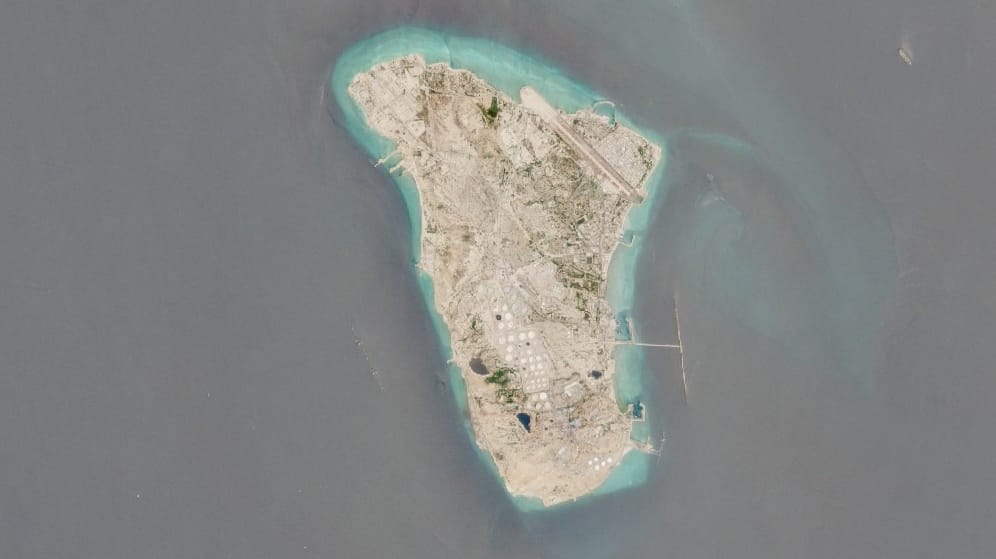
The U.S. Navy's blockade on Iranian seaports is having the desired effect, according to maritime tracking consultancy Windward. The loading terminals at Iran's primary oil port have gone quiet for more than a week, and there is little sign that activity will resume soon.
According to Windward's review, all of the terminals at the Arabian Gulf port at Kharg Island are empty, and have been so for some time. The eastern terminal last had a tanker alongside on July 30; the western terminal was last occupied on July 18; and the LPG terminal has been vacant since July 27. Data from Vortexa confirms that the last shipment out of the terminal occurred before July 31. It appears to be the most thorough shutdown of the island's oil loading activity since the start of the U.S.-Israel-Iran conflict in late February. About 17 tankers are idled at anchor around the port, but no motion is evident.
Traffic continues through the Strait of Hormuz, at low volume and almost all of it through Iranian wters. Windward counted eight inbound and nine outbound vessels in the Strait over the course of August 8, including one vessel flagged in Iran. All but one of these vessels used the Iranian-administered northern passage through the strait, not the Omani/American route at the southern end.
Data from Kpler and Commodity Context suggests that current oil volume exiting the Strait of Hormuz is in the range of 4-5 million barrels per day - still short of normal transit levels, and a reflection of continued risk levels (including both the Iranian threat to neutral shipping and the U.S. threat to Iranian shipping).
A large share of the traffic is repeat business. According to TankerTrackers.com, a fleet of no fewer than 56 tankers is operating on a "shuttle" trade between GCC nations and the STS anchorage zone in the Gulf of Oman, where the oil is transferred onto other vessels for delivery to foreign markets. The size of this AIS-dark fleet reflects the growing importance of this high-risk operation, which repeatedly runs through contested waters to keep oil flowing out of the Arabian Gulf.
 Stay on Top of the Daily Maritime News The maritime news
that matters mostGet the latest maritime news delivered to your inbox daily.
Sure, Treasury and a handful of funds might be working some magic behind the scenes. But on the physical side, the reality is crude is still moving through Hormuz.
— JH (@CRUDEOIL231) August 8, 2026
The STS trade in the Gulf of Oman is booming right now. Satellite shots from yesterday clearly show a heavy crowd… pic.twitter.com/rkPUOqiPGz
Activity at Yanbu continues apace, too, despite the Houthi blockade. Almost all of it is running AIS-dark, but optical imaging found fully seven tankers at berth at Yanbu on August 8, Windward said. Chinese vessels also continue to use the Strait of Bab el-Mandeb without interference from Houthi forces despite the blockade, continuing a pattern seen since last month.
