


Delays in Egyptian LNG Unloadings Are Disrupting Gas and Shipping Markets
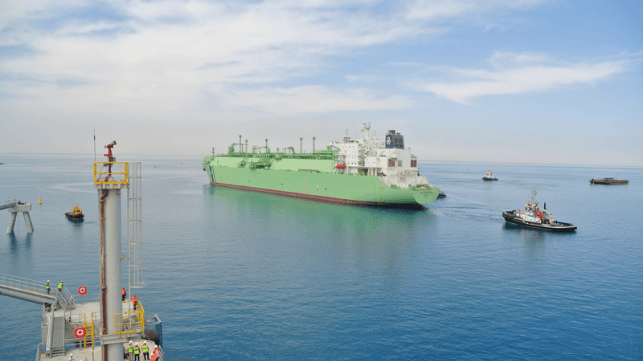
Delays in unloading LNG cargos at Ain Sokhna in Egypt are exacerbating the shortage of LNG tankers in the Atlantic.
Ain Sokhna lies on the western coast of the Red Sea, 30 miles south of Suez. Besides its LNG facilities, Ain Sokhna has container, bulk, and general cargo terminals. There is also a logistics park developed by DP World.
Historically, Egypt has been a net exporter of LNG, although it began importing some LNG in 2015. But from 2024 onwards, imports of LNG rose substantially, as output from existing fields declined and domestic consumption rose. In the first nine months of 2025, Egyptian LNG imports were up over 50 percent in comparison with the previous year. In 2025, Egypt plans to import up to 160 shipments, and last week signed an agreement with Hartree Partners for 80 shipments to be delivered from January 2026 onwards. These level of imports makes Egypt the biggest importer of LNG in the Middle East, surpassing Kuwait.
Egypt’s Minister of Petroleum and Mineral Resources Karim Badawy has said that Egypt intends to increase natural gas production to 6.6 billion cubic feet per day by 2030, a 58 percent increase from the current rate of 4.2 billion cubic feet. The investment program involves drilling 14 offshore exploratory wells in the Mediterranean next year.
But in the meantime, delays in unloading at the Ain Sokhna terminal in recent weeks have seen tankers waiting at anchor off the terminal for berthing spaces for between 10 to 15 days, industry sources report. With Atlantic LNG freight rates peaking at $146,750 per day on November 28, the highest for the year to date, the cost of extended ship chartering time clearly impacts gas prices. But the delays also have a knock-on effect, increasing shipping rates and reducing tanker availability in the Atlantic. This is compounding the pressures also created by increased LNG production and exports from both Nigeria and the United States.

that matters most
Get the latest maritime news delivered to your inbox daily.
Coping with the temporary switch from export to import profile, the Ain Sokhna terminal employs three Floating Storage and Regasification Units (FSRUs), Energos Eskimo, Energos Power, and Hoegh Galleon. The delays are associated with both the unloading capacity available but also local operational difficulties, in the face of rising import requirements. As the Egyptian government's investment plans are focused on expanding domestic exploration and production rather than the construction of permanent regasification import facilities, the delays are likely to persist.
In a reflection of a rise in the Atlantic rates. Pacific rates also climbed to $89,250 per day, the highest level since December 2023, according to Spark Commodities.
