
Traffic Confusion in the Strait of Hormuz
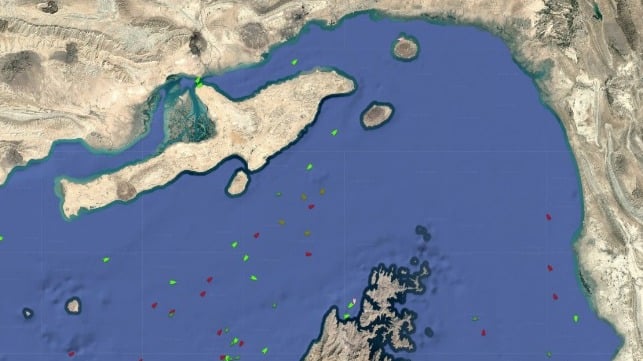
Iranian Foreign Minister Abbas Araghchi said in a post on X on April 17 that the Strait of Hormuz ‘is open for all commercial vessels for the remainder of the U.S.-brokered 10-day truce between Israeli forces and Iran-backed Hezbollah agreed between Israel and Lebanon’. He said ships would need to follow the Iranian routing past Larak Island, which had been prescribed by Iran's Ports and Maritime Organisation.
Based on AIS data, it appears that there was a small increase in movements early afternoon, but by midnight traffic had eased off. Most traffic was sticking to Iranian waters on the eastern side of the approaches to the Strait. No traffic was seen using the internationally-recognized Traffic Separation Scheme (TSS), but some ships were transiting the Strait on a direct east-west route through Omani waters close in to the Musandam peninsula, and through what Iran has designated a danger area. Amongst these ships was the Maltese-registered cruise liner Celestyal Discovery (IMO 9221566). The multiplicity of routes being followed by different vessels in restricted waters, some moving in opposite directions, inevitably raises the danger of collision when compared to a TSS.
This playback of the last four hours in the Strait of Hormuz (16:00–20:00 UTC) shows roughly a dozen vessels, mainly cargo ships, approaching the crossing before turning around and heading back.
— Nikos Pothitakis (@nikospoth) April 17, 2026
Video via @MarineTraffic.#kpler #Hormuz pic.twitter.com/pr1kxvpNoT

that matters most
Get the latest maritime news delivered to your inbox daily.
The IMO Secretary-General Arsenio Dominguez, in a speech made at the second French/British-led Hormuz security summit in Paris on April 17, has called for the restitution of previous arrangements in force in the Strait of Hormuz governing the transit of shipping. Both Iran and Oman are legally committed to maintaining the IMO’s Traffic Separation Scheme established in 1968, to which all nations who are signatories to the IMO’s Convention on Safety of Life and Sea are obliged to follow. The Convention has been ratified by 164 nations, including the United States, Iran, Oman plus the remainder of the GCC countries.
The Secretary-General told the conference that until the current war the scheme had worked successfully without interruption, and that the scheme specifically rejects “any imposition of tolls, fees or discriminatory transit measures for the passage through a strait used for international navigation.” Oman, as the owner of the territorial waters in the narrows through which both inward and outward TSS channels pass, has been a strong advocate for maintaining this status quo. As a free navigational service for the international maritime community, Oman maintains a naval station on Didamar Island in the Strait from which ships using the TSS are controlled.