
Port of Los Angeles Posts Best-Ever June Numbers for Container Handling
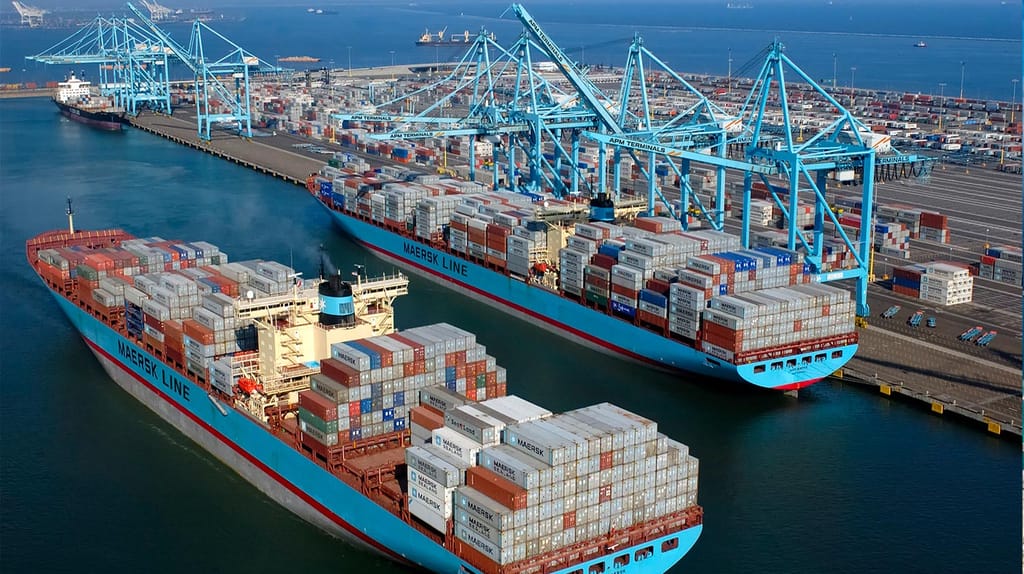
The Port of Los Angeles posted its best-ever container volume numbers for the month of June, edging past the one million-TEU mark to set a new seasonal record. The surge in volume is driven by importers pulling inventory into the country on an accelerated timetable, motivated in part by concerns over future tariff policy.
The port's June numbers were up 12 percent year-on-year, reaching 1,002,734 TEU for the month. It is the third time that Port of LA has surpassed one million TEU per month, and occurs during the low season for container import traffic.
Loaded import boxes accounted for 530,000 TEU, up by 13 percent year-on-year. Empties were also up by 17 percent, reaching 345,000 TEU for the month as carriers pulled boxes back to Asia to reload.
"Crossing the 1 million container mark for the third time and closing our fiscal year with more than 10.4 million TEUs are remarkable accomplishments," said Executive Director Gene Seroka. "These milestones reflect the consistency of the Port of Los Angeles and the people who make them possible every day."
Next door, the Port of Long Beach also approached record territory, reporting nearly 780,000 TEU handled for the month of June - an 11 percent jump year-over-year. Like at Port of LA, imports and empties drove the increased traffic; export volumes fell slightly.
Long Beach has handled more than 4.8 million containers so far this year, enough to make 2026 the busiest year on record for the port if the second half proves to be just as attractive to importers.

that matters most
Get the latest maritime news delivered to your inbox daily.
Nationwide, container imports were up by about eight percent year-over-year in June, according to Descartes Systems Group. The surge is in part motivated by a desire to bring foreign-made goods into the country before the imposition of new tariffs: the Trump administration is examining new ways to impose tariffs using its Section 301 authorities, replacing the International Emergency Economic Powers Act (IEEPA) tariffs that the Supreme Court struck down in February. If the plan is successful, it could be expected to raise tariffs once again, this time by targeting specific sectors and goods categories.
That process has begun. On Thursday, the Trump administration announced a 25 percent tariff targeting most imports from Brazil, which will take effect on July 22. The steep tariff is intended to penalize Brazil for "unfair, preferential" tariff rates for Mexico and India; weak progress on anti-corruption efforts; restrictions on imports of U.S. ethanol; rampant deforestation; and decisions by Brazil's courts to send takedown requests to America's social media giants, asking them to remove accounts belonging to certain U.S. residents.
