
Marine Pilots: Coast Guard Funding Lapse Brings Safety Risks
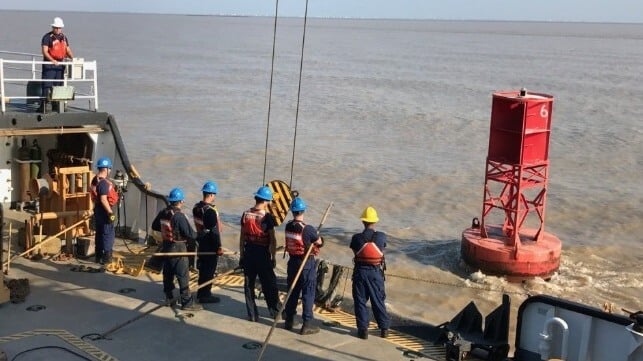
Events in the Strait of Hormuz have put new demands on the attention of U.S. maritime services, enough to obscure a pressing issue closer to home: the U.S. Coast Guard is still operating in "shutdown" mode because of an ongoing fight in Congress over the Department of Homeland Security's annual funding bill.
For enlisted coastguardsmen and other essential personnel, a shutdown does not mean a furlough; servicemembers must keep working throughout, even though they do not get paid on a normal timetable. In practice, wages have always been paid after the restoration of funding, but in the interim, coastguardsmen must front their own day-to-day expenses and bills while continuing to work. For contractors and some civilian federal employees, particularly in administrative roles, a shutdown does mean a stop-work order, translating into a reduction in service levels for industry.
For domestic Coast Guard duties that serve maritime commerce, the shutdown has significant implications for navigation and licensing, according to the American Pilots' Association (APA).
"APA and our member pilot associations value the important navigation safety and credentialing services the USCG provides.” said APA President Captain Jorge Viso in a statement. “This shutdown impacts these services and unnecessarily puts navigation safety and the maritime supply chain at risk.”
The APA warns that Congress' failure to pay for the Coast Guard comes with downsides for American maritime - regardless of the politics of the DHS funding bill. Pilots are concerned that the shutdown could impact staffing at the Coast Guard's VTS centers, which monitor busy shipping lanes to ensure safety. Maintenance for aids to navigation (ATON) could also suffer.

that matters most
Get the latest maritime news delivered to your inbox daily.
In addition, pilots are concerned about the impact to mariner credentialing, which is handled by the Coast Guard's National Maritime Center, a branch outpost in West Virginia. During the shutdown, the NMC and all of the service's Regional Exam Centers (RECs) are closed. The online application portal remains live, but any submitted paperwork is stored in a queue until after Congress ends the shutdown and provides funding for the Coast Guard's workforce. As an interim measure, expiring credentials have been extended out until April 30; new or upgrading officers will have to wait for licensing tests to resume.
“This shutdown has not only forced over 40,000 USCG personnel to work without pay, but it has also needlessly put America’s waterways and maritime supply chain at heightened risk,” APA Executive Director-General Counsel Clay Diamond said in a statement. “We respectfully urge both political parties and all branches of government to resolve this deadlock or find a solution to fund the USCG."