
Judge Lets Hawaii’s “Green Fee” Tax on Cruises Go Ahead
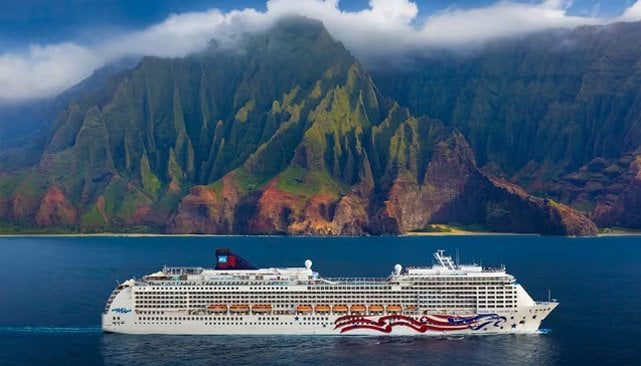
A judge in U.S. District Court in Hawaii rejected a lawsuit by the cruise industry and vendors seeking an injunction against extending for the first time Hawaii’s tax on transient visitors to cruise ships. Known as the “Green Fee,” the state in May enacted an increase to the tax and for the first time included cruise ship passengers, saying the state needs more tools to deal with climate change.
Hawaii asserts that Act 96 of 2025 establishes the Green Fee, which requires, in part, cruise operators to pay their fair share of transient accommodation tax to address the threats of climate change to the state. Hawaii’s governor cited the impact of beach and shoreline erosion and the devastating wildfires, saying the environment is one of the chief draws to bring tourists to the state.
The law, which was passed in May and is due to go into effect on January 1, 2026, adds .75 percent to the tax paid by hotel guests and short-term rentals to a total of 11 percent. Cruise passengers must also pay the 11 percent for the days their ships are in Hawaiian waters, and local governments can add a further three percent surcharge. Hawaii estimates the tax could generate $100 million per year.
The cruise industry, represented by the trade group Cruise Lines International Association (CLIA), had sued seeking an injunction from the court to prevent the implementation of the tax. The suit argued that the tax on cruise ships was unconstitutional because the U.S. Constitution prohibits a tax by states for entry into ports and says only Congress can impose such taxes. It was pointed out that the tax was not for the benefit of the ports or for services, but instead would go to the state’s revenues.
“The vast majority of the cruise industry’s claims were dismissed,” said Attorney General Anne Lopez. “While the litigation is not over, we are confident in the legality of this law and will continue to vigorously defend it on behalf of the people of Hawaii.”
Cruises they report bring about 3000,000 tourists annually to Hawaii based on 2023 data. Hawaiian government data shows that there were more than 9.6 million visitors to the state in 2023.
Judge Jill Otake in the U.S. District Court for Hawaii notes the case presented a challenging question and said she sought to balance competing interests. The Constitution gives federal supremacy over interstate maritime commerce, but she notes it creates tension with a state’s critical power to generate revenue from businesses operated within its borders.
The injunction was denied because the cruise industry did not establish it was likely to succeed on the merits of its argument. The judge writes that it would have given the “cruise lines preferential treatment over land-based transient accommodations businesses.”
The court declined at this stage to halt the implementation of the transient accommodation tax on cruise ships in Hawaii. It, however, notes that the issues of Federal rights in this area have been rarely litigated and that the court might revise its opinions in the future. The court rejected the claims from CLIA and local businesses that provide shore services to the cruise ships “without prejudice but without leave to amend.” It also denied a motion from the federal government that had sought to intervene, calling the tax a “scheme to extort American citizens and businesses solely to benefit Hawaii.”

that matters most
Get the latest maritime news delivered to your inbox daily.
CLIA immediately appealed its claims against the tax. The cruise industry asserts that Hawaii will damage its industry by making the price of cruises too expensive, especially for families. An additional claim based on free speech about a requirement to post and advertise participation in the Hawaiian program was rejected by the court.
The Green Fee is the first of its kind tax in the United States and is being closely watched. Other destinations are also wrestling with the challenges of climate change, the environmental impact from cruise ships, and the issues of overtourism. Greece, for example, introduced new peak season fees at its most popular destinations, and an environmental tax on cruises was proposed for France’s new budget. The cruise industry contends it already pays extensive fees and that its ships are among the cleanest, while representing a small part of the broader challenge of emissions from commercial shipping.