
Japan Protests China's Oil and Gas Projects in the East China Sea
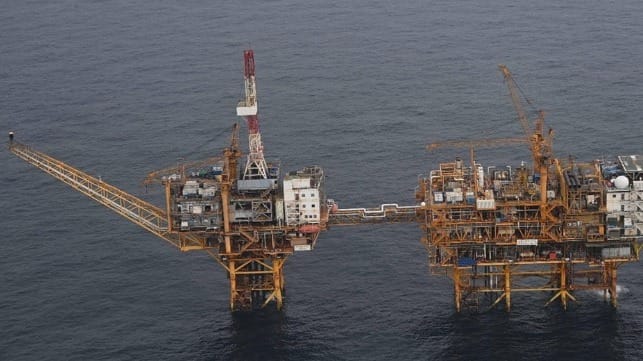
Japan has issued a letter of protest asserting that China is building a "new structure" on the western, Chinese side of the East China Sea median line separating the two nations' waters.
The EEZ and continental shelf boundaries of the East China Sea have never been fully settled, and it is Japan's view that the geographic median line should be the demarcation. Until the boundary line is formally delimited, Japan objects to China's oil and gas exploration on the Chinese side of the line.
"The Government of Japan once again strongly requests China to cease its unilateral development and to resume negotiations as soon as possible," the Japanese foreign ministry said in a statement.
In 2008, China and Japan reached an agreement to cooperate on the development of specific mineral resources in the East China Sea, including the Shirakaba oil and gas field. The agreement included boundary delimitations for a joint development zone, but was never finalized. China has been pursuing its own oil and gas ventures in the area ever since, without Japanese participation. The Japanese ministry of defense counts 22 individual Chinese offshore structures in the area, including both named and unnamed installations.
"It is extremely regrettable that China is advancing unilateral development in the East China Sea, while the Exclusive Economic Zone and the continental shelf in the East China Sea have not yet been delimited," the ministry said.
Formally, in lieu of Chinese recognition of the median line as the demarcation boundary, Japan maintains that it could claim and technically does claim a full 200 nm EEZ to seaward to the west of its islands. While it temporarily chooses not to enforce this EEZ and would prefer to settle on the median line, it does maintain a claim over areas that China is currently developing, if only for purposes of international law.

that matters most
Get the latest maritime news delivered to your inbox daily.
Japan and China have larger disputes over the fate of the Senkaku Islands, claimed by both, and over the self-governing status of Taiwan, which Japan recently indicated a willingness to defend. Last week, the Japanese destroyer Ikazuchi passed through the Chinese-claimed Taiwan Strait, traditionally used as method of expressing tacit support for Taiwanese rights. The transit provoked an angry and direct response from Beijing.
"Japan needs to seriously reflect on its history of aggression, and exercise prudence both in words and actions in military and security areas, rather than flexing muscles in the South China Sea and undermining stability in the region," said Chinese foreign ministry spokesperson Guo Jiakun on Monday.
