
IMF Warns Against Fuel Hoarding as Reality of Oil Supply Cut Sets In
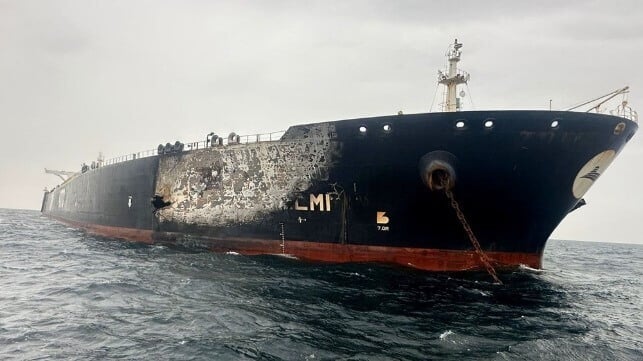
Following news of a collapse in talks between the U.S. and Iran last weekend and the launch of a new U.S. Navy blockade at the Strait of Hormuz, oil markets are adapting to the prospect of a longer period of supply constraints. Benchmark Brent prices for June delivery remain below $100 per barrel, but the volume of physical barrels has not changed - and the last of the tankers that made it out of the Gulf before hostilities began will finish their delivery voyages soon, to be followed by a gap.
From here out, energy analysts warn, the world must adapt to the reality of 10-15% less oil until several basic constraints are satisfied: a durable security arrangement at Hormuz that satisfies shipowners; inbound empty tankers arriving at Gulf loading terminals; and a restart of shut-in wells in Iraq, Kuwait, the UAE and Saudi Arabia. As onshore storage is limited in the GCC, the long process of restarting well production cannot begin until empty tankers pass westbound through Hormuz and reach loading berths, thereby providing a tank for the oil to go into. At present, about eight million bpd of wellhead production is offline, according to OPEC; even if the U.S. and Iran conclude a peace agreement, the process of restoring full flow will take several months.

that matters most
Get the latest maritime news delivered to your inbox daily.
Adaptations to the limited oil supply are varied, from demand destruction (Sri Lanka and Thailand) to fuel tax breaks (Europe) to product export bans (China). On Monday, the International Energy Agency, World Bank and International Monetary Fund urged national governments to reject the temptation to hoard fuel supplies by closing down exports. "The first principle should be to not impose export controls that only make the imbalance worse," said IMF managing director Kristalina Georgieva at an event sponsored by the Atlantic Council.
Fatih Birol, head of the IEA, told Reuters that the organization stands ready to authorize an additional release from the international petroleum reserve system. It has already green-lit a coordinated release of 400 million barrels, and has room to go further, though the speed of delivery to the global market is constrained by practical limits of storage and distribution infrastructure.