
DHS Funding Lapse Appears Almost Certain, and U.S. Coast Guard Will be Hit
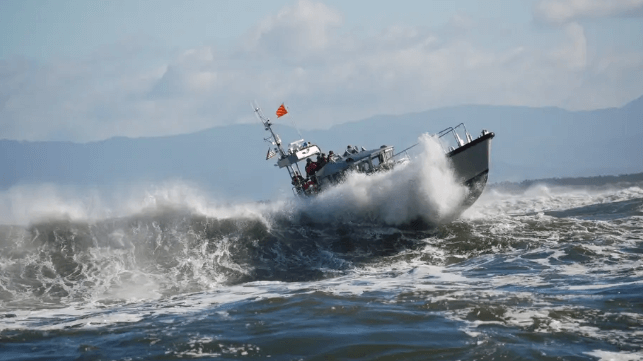
The U.S. Department of Homeland Security - including the U.S. Coast Guard - is expected to officially enter "shutdown" status on Friday night, as Senate Democrats have blocked a key funding package to keep DHS open. The decision to hold up the department's funding stems from Democrats' disagreement with immigration enforcement tactics, particularly the recent shootings in Minneapolis; Senate Democratic leadership demanded extensive changes in federal agents' rules of engagement, and when the Republican majority declined, Democrats voted on party lines to block the bill (via filibuster threat).
As the Coast Guard happens to be co-located within the same department as Immigration and Customs Enforcement (ICE) and Customs and Border Protection (CBP), it will be just as affected - if not more so. For servicemembers and Coast Guard civilian employees, the shutdown could easily mean a gap in pay, along with a requirement for "essential personnel" - the majority of the service - to keep working.
In a statement, DHS confirmed that as is usual practice, most employees would be required to come to work, without pay. "DHS essential missions and functions will continue as they do during every shutdown. However, during a shutdown, many employees will be forced to work without pay, putting strain on the frontline defenders of our nation," the agency said.
This is a familiar occurrence for the U.S. Coast Guard, and it puts strain on the service, vice commandant Vice Adm. Thomas Allan said earlier this week.

that matters most
Get the latest maritime news delivered to your inbox daily.
"The uncertainty of missing paychecks negatively impacts readiness and creates a significant financial hardship for service members and their families," warned Vice Adm. Allan in testimony before the House Appropriations Committee earlier this week. "This is not a distant administrative issue." Effects could include deferred maintenance on vessels, gaps in training for servicemembers, and negative impact on morale.
The Democratic caucus' objections are targeted at DHS' Immigration and Customs Enforcement (ICE), but the lapse in funding is expected to have little effect on the target. Unlike the Coast Guard, ICE's finances are buffered by a giant $75 billion supplemental funding package passed as part of the One Big Beautiful Bill Act (OBBA) last year, and it is expected to continue to pay salaries and carry out its activities as normal by drawing down on this exceptionally large funding pool. Much of the burden of the shutdown will instead fall on non-target agencies, including the Transportation Security Administration, Cybersecurity and Infrastructure Security Agency, and the Secret Service.