


Canada Opts for German Submarines
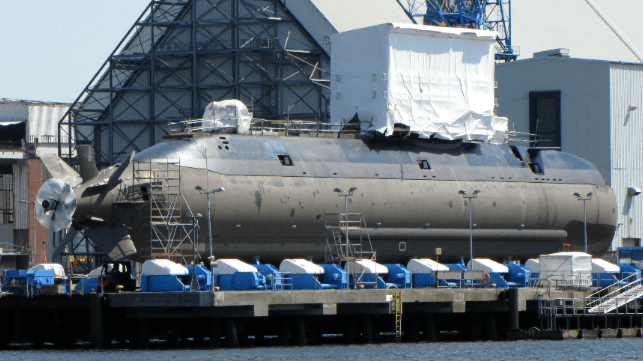
In an extremely rapid procurement process for such a high-value contract, Canada appears to have opted for the German-designed Type 212CD submarine over a South Korean alternative, the Hanwha Ocean KSS-III. The selection of the Type 212CD as Canada’s first preference, subject to contract, comes days before the NATO Ankara summit, and is a strong demonstration of Canada’s resolve to boost its defense capability. Initial acquisition cost for the Canadian boats are thought to be about $24bn.
The 12 new Canadian submarines are to be built by a joint German and Norwegian cooperative, which Canada will now join. The German and Norwegian cooperation over submarine procurement started with earlier (but much smaller) Type 212A version of the same design, and based on the success of this collaboration has been expanded, with ThyssenKrupp Marine Systems (TKMS) leading on the hull and hydrogen fuel cell-based air-independent propulsion system, and with construction taking place in Kiel. The combat system will be developed jointly by a TKMS subsidiary and Kongsberg, while most of the combined fleet of German and Norwegian submarines will be based and supported though service life from Haakonsvern in Norway. It is unclear as yet how Canada will share in the construction and support of what inevitably will be a tri-national endeavor. But as Germany and Norway have each ordered six submarines, Canada’s order for 12 submarines will make it an equal partner with the other two nations. Launch of the first Type 212CD, for the Norwegian Navy, is scheduled for 2027.
The three-way collaboration between Germany, Norway and Canada, including both build, in-service maintenance but also operational handling, in some regards mirrors similar arrangements in the AUKUS submarine pact. Canada had some reservations however about taking the nuclear-powered route, including stealth and tactical concerns, but also needed replacements for its failing Victoria Class on a tighter timescale than would be possible taking the nuclear route.
The new deal is cheaper, delivers faster, but also has an important political dimension. After President Trump’s threats to make Canada the 51st state, Prime Minister Carney has been keen to strengthen Canada’s European links, even if in this instance it comes at the cost of disappointing the South Koreans. But a 12-strong submarine force will enable Canada to substantially upgrade its submarine presence both in the Pacific and the Atlantic.
Germany has taken the lead in cultivating Canada’s interest in deepening its political ties with Europe. The submarine deal is likely to have been at the top of the agenda when German Defense Minister Boris Pistorius took a strong delegation of senior German defense industry leaders to the CANSEC 2026 defense and security exhibition in Ottawa in late May. Further cross-Atlantic defense collaboration can be expected.

that matters most
Get the latest maritime news delivered to your inbox daily.
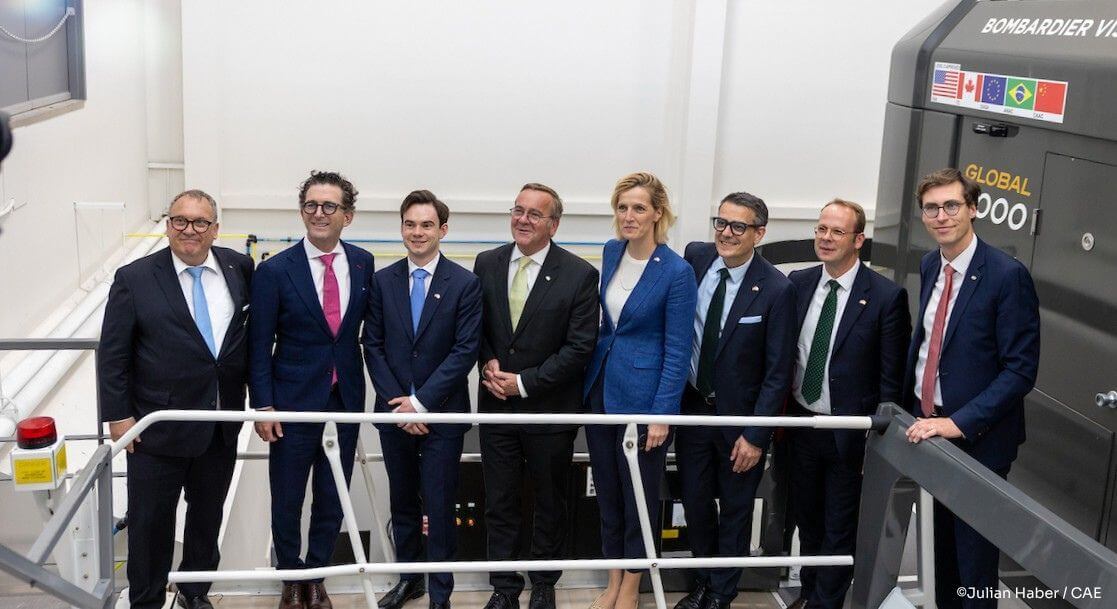
German Defense Minister Boris Pistorius and industrial leaders at CANSEC 2026 (LinkedIn)
