
As U.S. Applies Force in Hormuz, European Powers Support Post-War Security
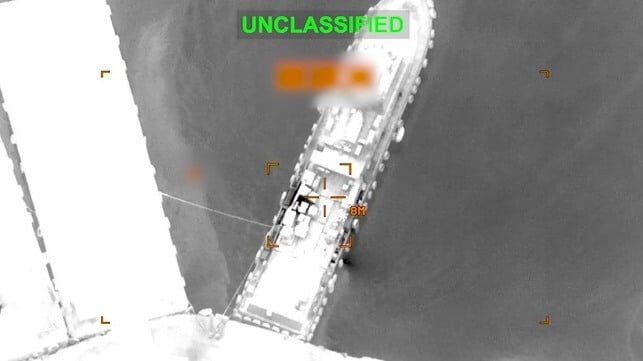
On Thursday, following a broad rejection of the White House's appeal for help in reopening the Strait of Hormuz, a coalition of six allied nations released a statement supporting action to protect shipping in the contested waterway - leading to immediate confusion.
"I have read completely erroneous interpretations of the document approved today by some European and non-European nations, including Italy," said Italian defense minister Guido Crosetto, referring to a joint release approving action in Hormuz.
The miscommunication may have stemmed from open-ended timing and unspecified means of assistance in the language of the letter. In their statement, the leaders of United Kingdom, France, Germany, Italy, the Netherlands and Japan expressed a "readiness to contribute to appropriate efforts to ensure safe passage through the strait."
For the U.S. and Israel, "appropriate efforts" in the strait include the immediate use of high-end military force in combat with Iran. For Italy, "appropriate efforts" means the opposite: no war mission, and no entry into Hormuz right away - without first establishing a truce and building a multilateral naval coalition, Crosetto said.
U.S. forces are destroying Iranian naval targets that threaten international shipping in and near the Strait of Hormuz. pic.twitter.com/qR6FJyI5ZS
— U.S. Central Command (@CENTCOM) March 19, 2026
"We are aware of the importance for all of working to safely reopen Hormuz and believe it is right and appropriate for the United Nations to provide the legal framework for a peaceful and multilateral initiative to achieve this goal," said Crosetto.

that matters most
Get the latest maritime news delivered to your inbox daily.
The pledge for a post-conflict security mission received praise from the UK Chamber of Shipping. "Protecting crews must remain the foremost consideration at every stage, and we strongly support sustained international coordination to restore maritime security, stabilize shipping operations and safeguard those working on the front line of global trade," the trade organization said.
In the meantime, Iran has its own plans for safe passage through the strait. According to the Iranian Student News Agency (ISNA), Iran's parliament is considering a bill that would impose a fee structure for passing vessels. Lloyd's List reports that at least one ship has already paid a steep fee of $2 million to make the run through Iran's new protected route between Qeshm and Larak; the bill would formalize this arrangement.