
Russian Energy Export Sales Fall to Lowest Level Since Start of Ukraine War
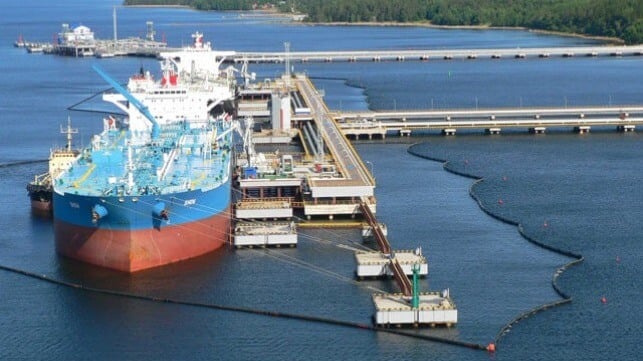
Under pressure from Western sanctions, Russia's oil and gas revenues have fallen to the lowest level recorded since the beginning of the invasion of Ukraine in 2022, according to new figures from the Centre for Research on Energy and Clean Air (CREA). Lower fossil fuel prices are a contributing factor, as sanctions effects have driven the benchmark Urals price down by 40 percent compared with Brent. The overabundance of Russian oil already afloat and falling export volumes all signal that sales have slowed despite efforts at discount pricing. The data show a pronounced decline in sales to Indian refiners in particular. All-in-all, Russia is now earning less than half of what it did from oil and gas exports in early 2022, before it launched its invasion.
Under pressure from the Trump administration, India has begun noticeably ratcheting down its purchasing of Russian oil, substituting other sources instead - notably Iraqi volumes, according to CREA. The Jamnagar refinery ceased taking delivery of Russian oil altogether in January, though new Russian shipments are expected there in February.
U.S. Secretary of State Marco Rubio claimed Monday that India has agreed to stop buying any Russian oil in exchange for a steep cut in U.S. tariff rates, repeating a statement made by President Donald Trump earlier in the month. New Delhi has not confirmed this claim, and external affairs minister S. Jaishankar said Monday that energy markets follow price and availability signals, and that India's foreign policy remains focused on strategic autonomy.
The data show that Indian refiners are still taking reduced quantities of Russian crude - and analysts expect that this will continue. "What we are seeing instead is tactical adjustment," Tatiana Mitrova, a fellow at Columbia's Center on Global Energy Policy, told Axios in a statement. "Volumes are reduced at the margin, discounts are increased, and refiners diversify some purchases toward non-sanctioned crudes."
"We have no reason to believe that India has changed its position on buying Russian hydrocarbons. India’s purchase of Russian hydrocarbons benefits both countries and helps maintain stability in the international energy market," Foreign Ministry spokesperson Maria Zakharova said this week, downplaying Trump and Rubio's previous claims.
Bloomberg reports that India has another difficult balancing decision to make in the days ahead: it must choose whether to renew licenses for several gray-market Russian insurers linked to the Russia-facing shadow fleet, with consequences for its longstanding relationship with Moscow - and with the White House.

that matters most
Get the latest maritime news delivered to your inbox daily.
For now, the balance of the unwanted oil appears to be going to China, Russia's largest energy customer. The Russian market share of China's voluminous crude import market hit 16 percent in January, nearing Beijing's informal maximum of 20 percent per supplier nation. Turkey has also increased its purchasing, taking eight percent more Russian oil for the month.