
LR: Incessant Shipboard Alarms Can Be Reduced, With Clear Safety Benefits
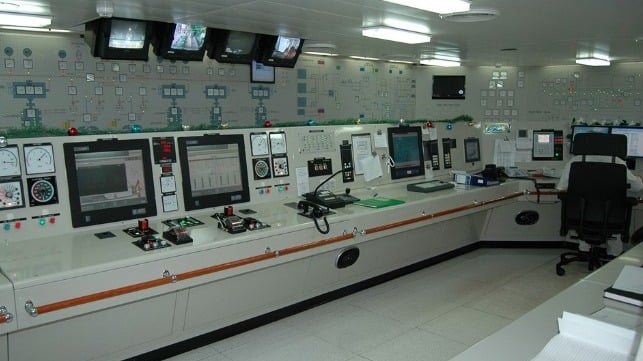
Mariners have complained about excessive alarms for years, and anyone who has spent time in a modern engine control room knows how multiple beeping alarms can consume the crew's attention. In a new report, Lloyd's Register warns that the problem is getting out of hand. The proliferation of alarm noise has the potential to increase risk, and for little gain, LR found.
To get a picture of what alarm fatigue looks like on board, LR collected data from 11 vessels over the span of 2,000 operational days. The dataset contained 40 million alarm events, and rates peaked on one ship at about 2,600 alarms per day (on a cruise ship).
The best practice standard in shoreside industries is to try to limit alarm rates to 30 events per hour, but fewer than half the ships in the study met that target. The result, LR concluded, can be an exhausting environment: on ships with unattended machinery spaces, alarms demanded crew attention during rest periods more than 60 percent of the time.
The rapid-fire alarms damage trust in the ship's systems and dampen morale. Crewmembers may decide to get by with workarounds: some are “forced to silence alarms without acknowledgement or physically bypass alarm circuits, normalizing unsafe practices," LR found. The real risk is that crewmembers may become tolerant of the alarms and cease to monitor them, increasing the odds that a real issue might go unnoticed. Alarm fatigue directly contributed to at least three known casualties - the Viking Sky blackout, the fire aboard MPV Everest, and the loss of the Umoe Ventis, LR noted.
Engineers interviewed as part of the study told LR that it was common practice for engine room watchstanders to "silence" alarms rather than acknowledge them. This coping mechanism prevents a chattering alarm from recurring - but also masks any change, as the alarm is blocked and cannot sound again if the underlying situation becomes serious. Observed rates of alarm usefulness in the study - that is, alarms that the crew thought worthy of taking action - were low, less than 10 percent of the total number.
The fix, according to the report, is to fix the systems that cause an alarm most often. This can be as simple as replacing broken sensors, redoing improper installations and addressing other proximate causes of technical alarms. In its research, LR determined that fixing the top 10 most frequent alarms on a ship could reduce overall volume by as much as 40 percent. It is an inexpensive solution requiring no specialized guidance, beyond a standard marine engineering skillset and a willingness to tackle root causes.
"Ensuring the correct tuning of physical processes and instrumentation is vital – fixing the process is a
fundamental first step before attempting to eliminate or ‘fix’ alarm systems," the research team cautioned. "Without this initial step, removing alarm systems or adjusting settings could mask underlying issues."
The benefits of getting after recurrent alarms are clear, even in the short term. One ship with a severe alarm problem reported that it was driving high staff turnover in the engineering department, indicating that alarm fatigue can have a real cost in the form of staffing issues.

that matters most
Get the latest maritime news delivered to your inbox daily.
"If the maritime industry is serious about safety, it must commit to continuous performance measurement, objective evaluation, and a human-centered approach to alarm system design. Only then can alarm systems fulfil their intended purpose—supporting crews, safeguarding lives, and ensuring safer voyages for all," said Duncan Duffy, LR’s Global Head of Technology.
Top image: engine control room on a cruise ship (file image courtesy Michael Elleray / CC BY 2.0)
