


U.S. Treasury Takes Aim at Mexico's Fuel Smuggling Cartel
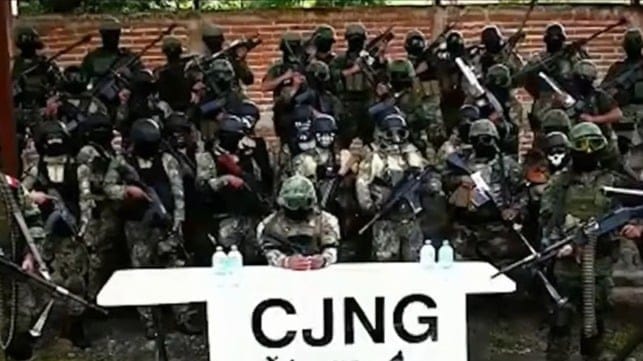
The U.S. Treasury is taking aim at the fuel-smuggling side business of the Cartel de Jalisco Nueva Generacion (CJNG), the violent drug-trafficking syndicate that dominates criminal activity along the central Pacific coast of Mexico and much of the interior. Its home state of Jalisco is one of the most dangerous areas in the country, and it is classified as a terrorist organization in the United States.
According to Treasury's Office of Foreign Assets Control (OFAC), CJNG operates a cross-border petroleum theft and smuggling ring that circumvents Mexico's tax system and earns the cartel hundreds of millions of dollars per year. This illicit supply chain (huachicol) includes multiple elements: stealing fuel and oil from Mexico's state petroleum company, Pemex, using a combination of corruption, covert theft and forcible seizure; local sales of the stolen Pemex fuel within Mexico; and the export of the stolen Pemex oil to the United States, using a variety of techniques to launder its origins and mislabel its composition. On the U.S. side, importers - generally complicit in the scheme - buy the stolen oil and resell it into the legitimate market via U.S. midstream infrastructure.
In the southbound direction, the cartels buy gas, naphtha, diesel and other products on the U.S. side of the border and smuggle it back into Mexico without paying import taxes. Once it is in Mexico, the fuel is sold to unbranded, privately-owned or cartel-controlled gas stations, which resell it at favorable prices to Mexican motorists. According to OFAC, this tax-free source may account for up to a third of Mexico's entire over-the-road fuel supply.

that matters most
Get the latest maritime news delivered to your inbox daily.
OFAC has designated CJNG operative Oscar Guillermo Juraidini Silva as the alleged accountant and financial planner of the cartel's illicit-fuel division. The network operates through legitimate, licensed Mexican wholesale fuel brokers, according to FinCEN, who provide financial services and money transfers for the ecosystem of smugglers and retailers.
FinCEN has previously identified about $7 billion in suspicious activity that could potentially driven by cartel smuggling operations. Most of the smuggling events are concentrated on the Texas border, and involve personnel who have ties to legitimate oil and natural gas transportation.
